Why Emma Pears Says Stress Is Not the Real Enemy
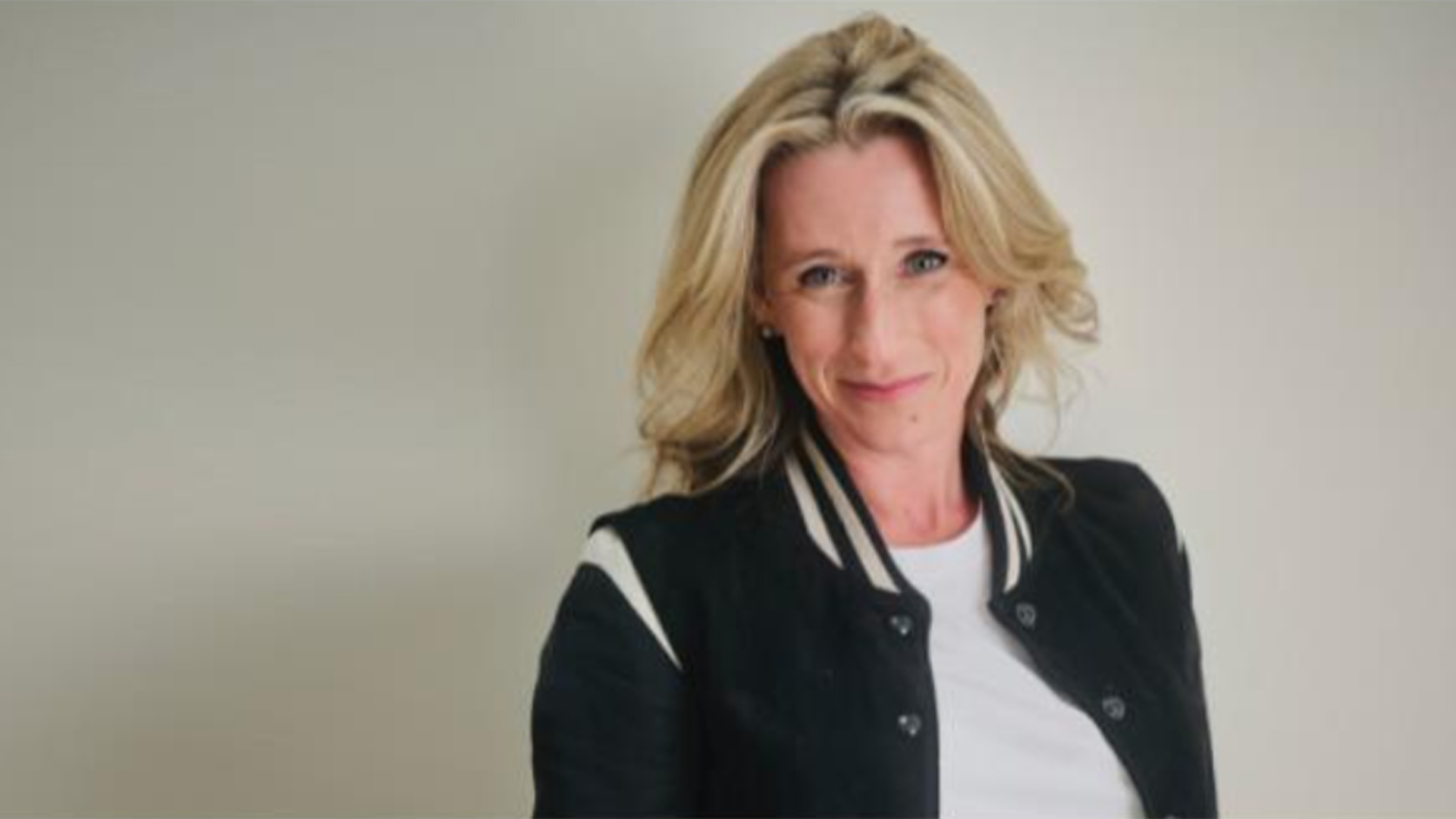
This exclusive interview with Emma Pears was conducted by Tabish Ali of the Motivational Speakers Agency.
Emma Pears brings rare authority to conversations around leadership, pressure and perspective, drawing on a career that spans executive coaching, education, performance and writing. The Founding Director of Solomon Hunt and author of What Does It Matter?: Live with Less Stress and More Joy, she is known for helping audiences think more clearly, respond more calmly and regain control under pressure.
That depth is matched by range. A workplace culture expert as well as a speaker on stress and mindset, Pears combines academic research with frontline leadership work, having designed programmes and coaching for organisations including HSBC UK, Salesforce, British Telecom, Santander, M&G Prudential, the Ministry of Justice and the London Fire Brigade.
In this exclusive interview with the Inspirational Leadership Speakers Agency, Emma Pears reflects on what people still misunderstand about stress, why perspective matters when things go wrong, and what it takes to build a healthier inner world. Her insight is shaped by academic rigour, practical coaching experience and a clear message that people have more control than they often think.
Q: Stress is often framed as something purely negative. What do people still misunderstand about it?
Emma Pears: “I observe that people see stress as something out there, on them, and it’s almost like they are under attack and feel this pressure, which is understandable because we do feel it. I think the reality is that stress is not all bad. Sometimes the communication out there can be like, get rid of all stress in your life. Run away from stress. Stress is bad.
“The truth is stress will actually keep you alive at times, and stress will help us to work to our optimum. The point is not to have no stress. The point is not to live in a high state of stress at all times. Stress will
help us, particularly as leaders in business, to work at our optimum if we allow it to, if we’re harnessing it well. The challenge is not to live in that high state of stress.
“Also, if you’re feeling no stress at all, that could be a challenge, so you need to watch out for that one. But I think with stress, the reality is this. It’s not an outside force at us. We feel it physically. We feel it emotionally. For me personally, I feel stress in my breathing. I feel heaviness in my breathing. If I’m feeling overwhelmed and stressed, when I see that sign, that’s a signal to me to go, “Oh, I need to change something. I need to take stock. I need to act.”
“Obviously, there’s nothing heavy on me. There’s not actually an elephant on my chest. It just feels like there is. And that’s the reality. Stress is a human experience of emotion. I think something I’ve observed is that people believe their emotions, but emotions are not always true. Emotions are not fact. Emotions are actually data telling us something.
“So, as best we can, I try and help people to recognise what emotion they’re feeling and what that emotion is telling them they need to be doing, or not to be doing, and how they can respond. Obviously, there are moments of crisis where you just have to react. But as a general rule, if life is continually stressful, it may be that learning to recover from that high state of stress is one of the priorities.
“So, stress is an emotion that we feel, and emotions are data. They’re not always fact. I’m not saying that what has caused that person’s stress is not true. I’m saying we have choices in how to respond to it.”
Q: When things go wrong, what do the best leaders do differently to respond well rather than react emotionally?
Emma Pears: “We know as leaders things go wrong. They just do. It is about training ourselves to really think before we act.
“So, the reality is this. Our thinking informs our feelings, and our feelings inform our behaviours and choices. So, what we can do is use the phrase what does it matter to put a bit of a pause in, put a stop and think, hang on, what does it matter, and allow that pause to help us create some good choices and some good decisions. What does it matter to them?
“Brilliant leaders tend to think about the bigger picture. What I’ve seen with people who maybe aren’t leading is they’re seeing everything from their point of view. What’s wonderful about brilliant leaders is they tend to see multiple perspectives. So, they tend to see, well, from this angle this is going on, but you are unaware of this angle going here.
“And so, actually, what I see is that leaders who respond to things well are people who have taken things into consideration, who can step back, see the problem as separate from themselves, see the challenge, see the different parts that are moving, and actually brilliant leaders take advice really well.
“That doesn’t mean you’re waiting to be told what to do, but it means we know as humans we don’t always have the answer to everything. We’re not always right. There could be all sorts of things influencing our behaviour and our choices in that moment. And actually, taking advice from trusted counsel is a really, really good thing to do.”
Q: You speak a lot about perspective. When someone feels stuck in their own head, what is a simple way to zoom out?
Emma Pears: “I think humans often feel stuck in our own heads. From speaking with people within my work life, within my home life, it’s just the human experience, isn’t it, to feel a bit stuck at times.
“And there are several tools that I’ve got in the book that I use, that I’ve shared there. Things like the 10/10 theory, which is basically where you say, well, will this matter to me in 10 minutes, 10 days, 10 weeks, 10 months, or 10 years? That helps to put things in perspective pretty quickly.
“Things like the five to thrive is another tool I created where we simply ask the question, hang on, if you’re feeling overwhelmed or you’re feeling stuck in your own head, is everyone safe, fed, clean, warm, and loved? Again, is everyone safe, fed, clean, warm, and loved? If so, you’re doing all right. If not, if the answer to any of those is no, then you know where to focus your energy and attention, on what you need to work on to help solve that problem.
“But if the answer honestly to those questions is yes, you have a moment to take a breath and recognise everything else is a bonus. The other thing that we can do when we are feeling stuck in our own heads, as I’ve mentioned already, is we are able to use our own name when we talk to ourselves, which I know sounds funny, but if we verbalise things out loud and use our own name, our brain hears it and believes it. It’s brilliant. So, you can help your brain and tell it what you need to hear.
“So that’s a really good thing to do. Use your own name. I will say things like, “Emma. This is really important right now.” And I will literally talk to myself like that. And I would say another thing, which actually is something Ethan Cross, brilliant psychologist, puts in his book as well. He talks about the act of awe and wonder being such an amazing thing to help put things in perspective. And I use that a lot.
“I will often go out into nature. I will just remember in some way that I am just a tiny human on a spinning planet. Not everything relies on me, and I don’t have to have everything perfect. I don’t have to know all the answers.
“One of the ways that I do that, honestly, is I have what I call the sunrise and sunset series. I purposely seek out looking for sunrises and sunsets because it helps to put things in perspective for me. It helps me to remember, oh, I am just a tiny human on a spinning planet. Not everything is relying on me, and I don’t have to have everything together. It’s okay.
“And I think when you notice those things and you choose to just take a breath and do that. By the way, breathing is super important. If you’re feeling stuck in your head, I do box breathing, which is like breathing in for seven and then out for eight, down for seven, across for eight. Again, you just kind of visualise that box. I do that all the time.
“So, there’s all these different tools we can use to help just calm our nervous system down and allow ourselves to get unstuck from the ruminating that we might have got ourselves caught in.”

Stay updated with our latest publications.
Discover Issues
See how we can help you grow in the online space!
Advertise With Us
We can help promote your business.
Find Out More