The Global Power Reset: Klisman Murati on Why Nations, Not Corporations, Will Shape the Next 50 Years
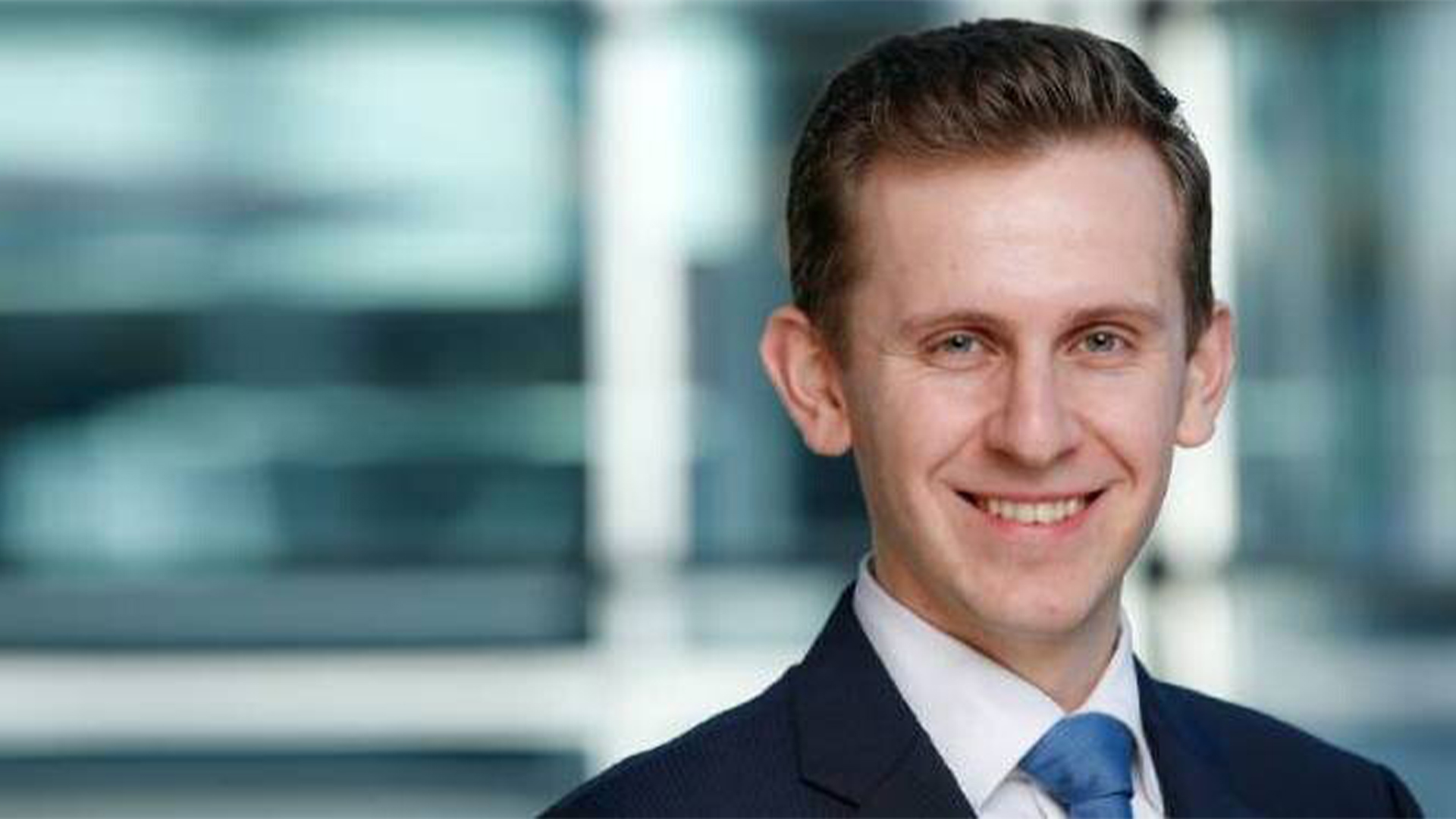
This exclusive interview with Klisman Murati was conducted by Jack Hayes of The Motivational Speakers Agency.
As one of the most sought-after geopolitical speakers, Klisman Murati brings next-generation insight into how nations, markets and power structures are being re-written.
Founder & CEO of Pareto Economics and creator of the ground‐breaking Global Power Index, he guides firms, governments and investors through the profound shifts that redefine global opportunity.
In this exclusive interview with the Inspirational Leadership Speakers Agency, Murati explores the long-term forces reshaping our world and shares how leaders can move from reacting to global change — to shaping it.
Q: The Global Power Index has generated significant interest among investors and analysts. How do you see this framework reshaping how nations — and those who invest in them — understand global power dynamics?
Klisman Murati: “Okay, so with the Global Power Index, this is a question I get asked a lot in different kinds of ways — how does this impact me? Now, the Global Power Index essentially is a way in which any client can better understand how power operates and how power is created in the world.
“So that comes down to basically understanding the basics of who has power, how power is expanded, how it can evolve, and how it can impact these three groupings of people. From our assessment, we say that power is first of all located primarily within nation states. That is the prime sovereign vehicle that everything else we experience in human society comes out of.
“Corporations come out of being allowed to be created by nation states. Wars happen between nation states. People are citizens of nation states. Sanctions are placed by nation states on entities within nation states, and tariffs are placed on the borders between them. So our logical conclusion is that the prime mode of power is a nation state.
“Then you have to answer, how would you define power in this context? The way in which power is defined is the ability of a nation state to secure its own interests. The next question becomes, what modes do they have to execute their power?
“From this, we have created something called the “Centres of Power” idea. We say that a nation state’s power is developed on six different axes: their active consumer market, their military balance, their technological leadership, their financial strength, their geostrategic positioning, and their systemically important commodities. Out of these six areas, countries grow and fall over time.
“The Global Power Index essentially maps all of these six centres of power and creates six sub-indices which measure these specific things. Then the GPI is essentially a super-index which allows you to see a country from a high level.
“If an investor were to use this index, they are much better able to quantify the potential for a country moving forward by looking at it through these six angles, as opposed to just using a thematic, short-term approach — which says, “This is what’s happening today and how can we hedge our bets so we don’t lose money in the next six months?”
“Instead, it’s about thinking: what is the potential for this country in the future? Recognising the prices we have today, how can this country or region come out of it in the next months or years? It’s really looking at it and trying to answer the why as opposed to just the what’s happening now, where a lot of people are currently focused.”
Q: In your analysis, geopolitical risk is no longer isolated to a few hotspots but increasingly systemic. What are the underlying forces driving this new era of global volatility?
Klisman Murati: “There’s no doubt in my mind that we are seeing increased levels of geopolitical risk across the world.
“If you ask an analyst, they would typically say that the reason we’re facing more geopolitical risk is because America is taking a back seat in world affairs and there are vacuums of power appearing across the world. That may work well and good if you are an academic, meaning if you’re looking at what America has done in the past.
“But we say that the reason more geopolitical risk is happening is because countries across the world are developing their own centres of power, which is allowing them to have a much bigger voice on the world stage.
“In the past, you had countries like Saudi Arabia — even 70 years ago, they were a negligible power. They had nothing that stood them out as something serious to be dealt with. But as oil became a source of income, as their consumer markets grew, as their demographics increased and became more powerful, as their military balance increased over time, they then had a much louder voice on the world stage because they could back it up by fundamentals.
“This is happening across the world. Countries have a bigger voice and are demanding much more of partners. They are staking their claim a lot more ambitiously in the world, whereas in the past they wouldn’t have done so because they had nothing really to back it up.
“So with China rising, countries in the Middle East rising and falling in terms of their power, and countries within sub-Saharan Africa rising in different ways, we’re seeing tensions build up between neighbours because the balance of power between them is changing.
“This is a new reality that we’re facing — no longer do we have only the superpowers dominating, but a much more even and active playing field on different levels. This rise and fall is facilitated by technology, which enables live communication, and this is why we believe geopolitical risk is rising across the world.
“Not only how it’s happening, but why it’s happening — that’s what we help answer as an organisation.”
Q: Globalisation remains both a driver of growth and a source of tension. How do you believe it is reshaping daily life and redefining the global balance of influence?
Klisman Murati: “Globalisation, I think, is a term very much used by many different people to mean many different things. But if we take the core of how we define globalisation — the transfer of knowledge, culture and process between different parts of the world — you can see it compounding over time exponentially.
“A dentist in Kiribati, a mother raising children in Jakarta, and a corporation in the United States are all going to be changed and challenged over the next 100 years — which is our outlook — by globalisation, geopolitics, transformative technology, and societal change.
“It depends on who’s asking that question. If I were advising a government struggling with a specific issue, I could be much more specific in my analysis. The same applies if I were advising an investment house on how supply chains are being changed and challenged by globalisation.
“What’s undeniable, though, is that the next 50 years will see more transformational change than the last 200. We are compounding our efforts in these four areas — globalisation, geopolitics, technology, and societal change — throughout the world.
“People are using technology and social structures to reach levels they see happening elsewhere, and this constant drive to “catch the leader” will have many unintended consequences.
“Just look around you. Think about the difference between how your parents use technology, how you use it, and how your children will use it. That alone shows how globalisation is shaping daily life — it changes reach, opportunity, and behaviour for businesses, corporations, governments, and individuals alike.
“It’s fundamentally changing humanity: the way we understand the world and the way we participate in it. Organisations, investors, and governments are often on the back foot, reacting to this change rather than driving it — because it’s such a new dynamic for humanity.”
Q: Looking ahead, how do you foresee global finance and economic power evolving over the next few decades?
Klisman Murati: “Financial players, I think, will change. What we’ve seen in the West is an explosion of financial capital, human capital, and intellectual capital — all spurred by the West and increasingly other regions.
“We’re going to see financial players grow and develop in different capital districts as their centres of power mature to the level where they have enough income to participate in the global economy and financial system.
“This will cause a redistribution of wealth to be localised across regions. Not every financial capital will be the most lucrative. For example, in the West we have New York and London, to a lesser extent Switzerland, and in Asia, Singapore and Hong Kong.
“Within these regions too, we’re going to see the growth of wealth, more family offices being established — especially from Asia — using their capital to invest in projects across the world. We’ll also see different financial vehicles emerging globally at different levels of assets under management.
“Naturally, not everyone will manage billions — there will be smaller and larger funds across the world participating in their local and regional economies, as well as the global one.
“While development may be slower in some regions, over the long term as more wealth accumulates, local entrepreneurs and financiers will increasingly look inward, investing regionally rather than solely in established markets.
“Over time, this will reshape economic ecosystems. As compounding efforts continue, we’ll definitely see this unfold in the next 20 to 50 years.”
Stay updated with our latest publications.
Discover Issues
See how we can help you grow in the online space!
Advertise With Us
We can help promote your business.
Find Out More