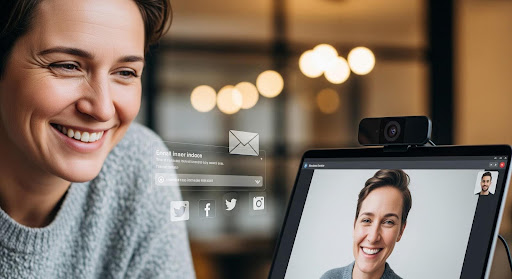
From Inbox to Live Stream: How Businesses Can Connect More Authentically With Audiences
From Inbox to Live Stream:
How Businesses Can Connect More Authentically With Audiences
Are your emails getting lost in a sea of promotions? It’s easy for messages to feel a bit robotic when you’re trying to run a business. Many brands stick to polished, corporate-speak that just doesn’t connect with people anymore. Customers today are looking for something more, a real, human connection.
The good news is that building that connection is completely within your reach. By moving from standard emails to more interactive formats like live stream studio, you can show the real people and passion behind your brand. This guide will walk you through how to use email, social media, and live video to create a communication strategy that feels genuine and builds a loyal community.
TL;DR
- Businesses today must replace polished corporate-speak with authentic communication to build trust and connection with audiences, as over 90% of consumers value authenticity.
- Utilize email for personalized storytelling, social media for real-time engagement, and live streaming for genuine connections, with the latter creating a unique experience that pre-recorded content can’t replicate.
- Implement the simple 3-2-1 launch method for live events: send three emails, make two social posts, and then go live to engage.
- Focus on measuring quality engagement over vanity metrics to gauge true connection with your audience, leading to long-term brand loyalty.
The Authenticity Crisis in Modern Business Communication
Many businesses are facing a quiet challenge. The old ways of communicating just aren’t cutting it. Audiences are tired of picture-perfect content that feels distant and impersonal.
The Problem We’re Solving
Traditional email marketing often feels like you’re shouting into a void. Sending the same message to everyone can make your audience feel like just another number on a list. People crave connection, and content that’s too perfect often feels like it’s hiding something.
The Shift Toward Real Connection
The tide is turning. Recent studies show that over 90% of consumers say authenticity is important when deciding which brands they like and support. People want to see the real story behind a business, including its values and the people who make it happen. Being transparent and engaging in real-time conversations is no longer a “nice-to-have”, it’s a powerful way to build trust and stand out.
The Communication Spectrum: Understanding Your Tools
Think of your communication channels as a spectrum, from personal notes to live events. Each one has a unique role to play in building a genuine relationship with your audience.
Email: The Foundation of Personal and Professional Connection
Email is your direct line to your audience, and one of the most effective tools for building trust. Instead of only sending promotions, use email to spark meaningful conversations. Share behind-the-scenes stories in your newsletters, talk about your challenges and wins, and write as if you’re speaking to a friend. This kind of storytelling and authenticity can transform a simple email into a powerful connection point.
However, one important detail often overlooked is having a professional email address. A personalized domain (e.g., [email protected]) immediately adds credibility and shows you’re serious about your brand. It’s a small change that can make a big difference in how you’re perceived by your audience.
Social Media: The Bridge
Social media is where the conversation happens in real time. Encourage your followers to share their own experiences with your products, creating a powerful stream of user-generated content. Use features like Stories and Reels for quick, unpolished updates that feel spontaneous and genuine.
Live Streaming: The Frontier of Authenticity
Live video is where the magic really happens. It offers an unedited, unscripted glimpse into your brand that no other format can match. When you go live, you break down the barrier between your business and your audience, creating a shared experience that builds an incredibly strong connection.
Building Your Authentic Communication Strategy
Finding Your Brand’s Authentic Voice
What does your brand stand for? What are your core values? Answering these questions will help you define your brand’s personality. Don’t be afraid to embrace your quirks and imperfections; they make you relatable. Let the unique personalities of your team members shine through in your communications.
Creating an Integrated Journey
Your communication channels should work together. Use email to invite people to your live stream and to send a follow-up summary afterward. Start conversations on social media that lead to deeper discussions during a live Q&A. This integrated approach ensures a smooth and engaging journey for your audience, with each channel making the others more effective.
Content Ideas That Bridge the Gap
- “Day in the life” email series: Share what goes on behind the scenes, and end the series with a live Q&A session with your team.
- Customer spotlights: Feature a customer’s story on your blog, share clips on social media, and invite them on a live stream to talk about their experience.
- Product development transparency: Take your audience along for the ride from a new idea to a finished product, sharing updates via email and live progress reports.
- Live troubleshooting: Hop on a live stream to solve a common customer problem in real time.
Live Streaming: Your Authenticity Amplifier
Live streaming is one of the most powerful tools for building trust and excitement.
Why Live Stream?
There’s a psychological power to being part of a live event. It creates a sense of “being there” that pre-recorded content can’t replicate. More importantly, seeing you unedited, mistakes and all, humanizes your brand and makes you more trustworthy.
Live Stream Formats That Work
You don’t need a fancy production to have a great live stream. Try one of these simple formats:
- Weekly AMA (Ask Me Anything): A casual session where you answer audience questions.
- Behind-the-scenes tours: Show off your workspace, warehouse, or creative process.
- Product launches and unboxings: Share the excitement of a new product with your audience in real time.
- Expert interviews: Bring on a guest to share their knowledge and insights.
- Live workshops: Teach your audience a new skill related to your industry.
Technical Setup Made Simple
Getting started with live streaming is easier than you think. You can use platforms you’re already on, like Instagram Live, LinkedIn Live, or YouTube. All you really need is a smartphone with a good camera and a stable internet connection. Promote your stream ahead of time through your email list and social media channels to make sure people show up.
Practical Implementation Framework
The 3-2-1 Launch Method
This straightforward method builds anticipation for your live event:
- 3 emails: Send three emails in the week leading up to your stream. The first announces the event, the second sends a reminder, and the third goes out right before you go live.
- 2 social posts: Create buzz with a couple of posts on your social media channels.
- 1 live stream: Go live and deliver great value to your audience.
During the Stream: Authenticity in Action
While you’re live, acknowledge comments and questions as they come in. If a technical glitch happens, handle it with a sense of humor. The goal is to be yourself and create memorable moments. Your audience will appreciate your honesty and ability to roll with the punches.
Post-Stream: Extending the Connection
The conversation doesn’t end when the stream does. Send a recap email with highlights and a link to the recording. Share short clips and memorable quotes on social media. You can even send personal follow-ups to people who were highly engaged during the stream.
Case Studies: Brands Doing It Right
Local retailers host live shopping events on Instagram, giving customers a virtual tour of new inventory. Service providers run weekly Q&A sessions on LinkedIn Live to establish themselves as experts. Even large companies are using unedited, behind-the-scenes content to connect with their audience on a more human level. The common thread is their willingness to be open, honest, and interactive.
Overcoming Common Fears and Obstacles
Here’s how to overcome common fears.
“I’m Not Camera-Ready”
Authenticity is not about being perfect. Your audience wants to see the real you, not a polished TV host. The more you practice, the more comfortable you’ll become. Start with short, informal streams to build your confidence.
“What If Nobody Shows Up?”
Every creator starts with a small audience. Even if only a few people show up to your first live stream, you can create a great experience for them. Remember, you can always repurpose the recording for those who couldn’t make it live.
“We Don’t Have Time/Resources”
You don’t need a big budget or a lot of time. Start with a 15-minute stream once a month. You can use your smartphone and free platforms to get started. Involve your team to share the workload and bring different personalities to the screen.
Measuring Authentic Connection
How do you know if your efforts are working? Look beyond simple numbers.
Beyond Vanity Metrics
Instead of just counting likes and views, look at the quality of your engagement. Are people asking thoughtful questions? Are they starting conversations in the comments? Track things like customer loyalty, retention rates, and overall brand sentiment to get a true picture of your connection with your audience.
The ROI of Authenticity
Building trust is a long-term investment that pays off. A strong community of advocates will champion your brand, and genuine relationships lead to higher conversions and lifetime value.
Your Authenticity Action Plan
Ready to get started? Take on this 30-day challenge.
- Week 1: Review your current emails and social posts. How can you make them more conversational?
- Week 2: Test a new, more personal approach in your email newsletter.
- Week 3: Post more behind-the-scenes content on your social channels.
- Week 4: Host your first short, informal live stream.
To keep the momentum going, create a content calendar that mixes polished content with raw, authentic moments. Get your team on board and continue to listen and adapt to your audience’s needs.
The Future Is Human
Technology gives us incredible tools to reach people, but it’s the human element that truly creates a connection. Your audience wants to know the real you. It’s time to step out from behind the perfect, polished curtain and start a real conversation.
FAQ
Why is authenticity important in business communication?
Authenticity is crucial because over 90% of consumers prioritize it when choosing brands to support. Customers are tired of impersonal, corporate-speak and seek genuine connections. By communicating authentically, businesses can build trust and relationships with their audience, which leads to long-term loyalty.
What types of communication can businesses use to connect authentically?
Businesses can leverage various forms of communication such as personalized email storytelling, real-time engagement through social media, and live streaming for genuine connections. Each format serves a unique role in creating an integrated communication strategy that fosters strong audience relationships.
What is the 3-2-1 launch method for live streaming?
The 3-2-1 launch method is a straightforward strategy to generate excitement for your live event. It includes sending three emails (one to announce the event, a reminder, and a final notice before going live), making two engaging social media posts, and then executing the actual live stream.
How can businesses measure the effectiveness of their authentic communication efforts?
Instead of focusing on vanity metrics like likes and views, businesses should evaluate the quality of engagement. This includes analyzing thoughtful interactions, audience questions, and fostering conversations. Additionally, tracking customer loyalty and brand sentiment can provide insights into the authenticity of the connection.
What are some practical tips for starting live streaming as a form of communication?
To start live streaming, use platforms you’re familiar with, such as Instagram Live or YouTube, and use simple setups like your smartphone. Promote the event across email and social media to attract an audience. During the stream, be yourself and engage with viewers’ comments to create a genuine experience.

Stay updated with our latest publications.
Discover Issues
See how we can help you grow in the online space!
Advertise With Us
We can help promote your business.
Find Out More