Fashion’s 30% Overproduction Problem: Sarah Ratty on Who Really Pays the Price
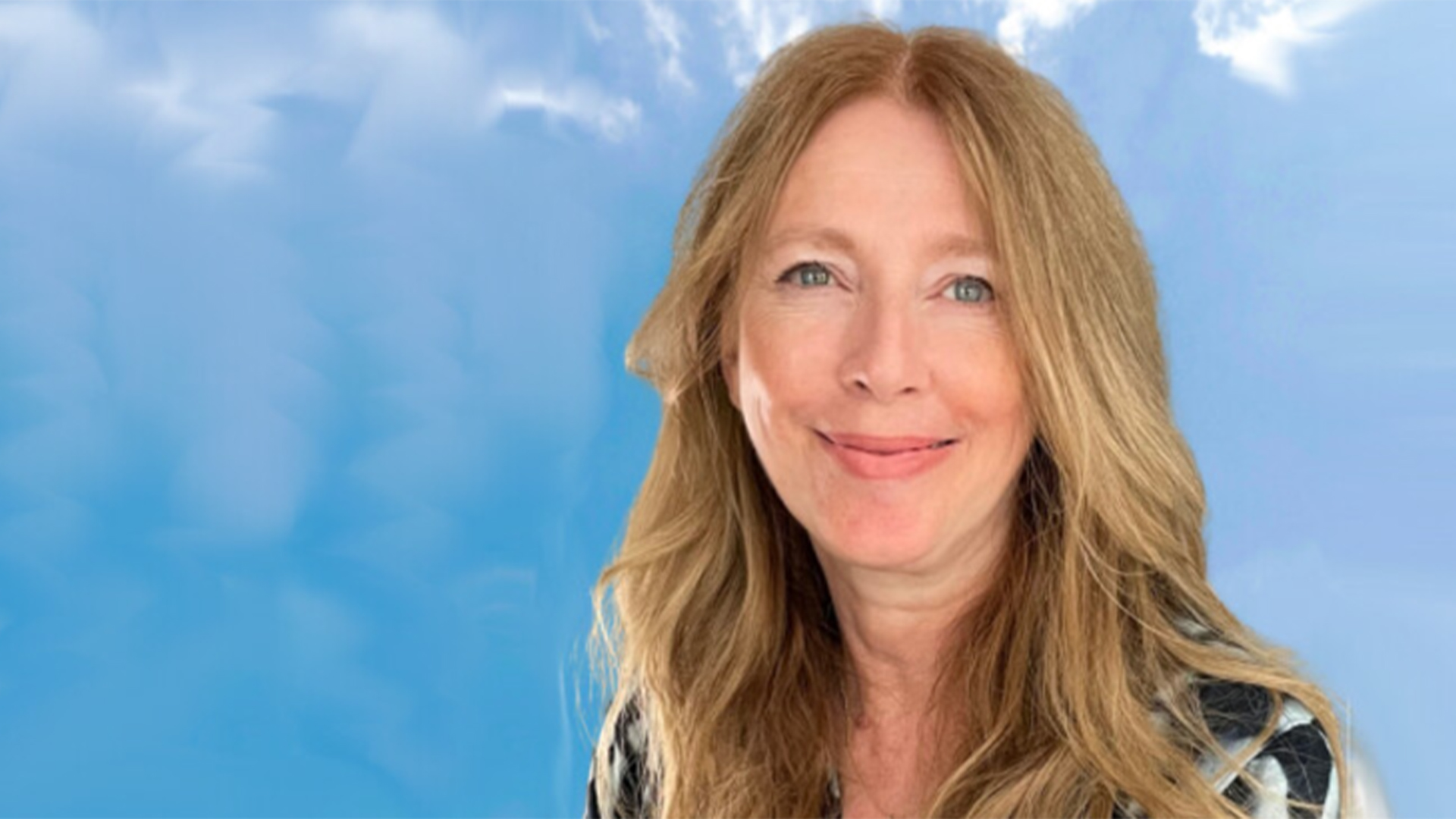
This exclusive interview with Sarah Ratty FRSA was conducted by Tabish Ali of the Motivational Speakers Agency.
Sarah Ratty FRSA has spent more than two decades pushing fashion towards more responsible ways of designing and producing clothes. The founder of Conscious Earthwear and Ciel, she has shown collections at London and Paris Fashion Weeks, collaborated with Dr Martens and Anthropologie, and dressed figures including Cher and Cate Blanchett.
Her influence extends beyond the catwalk. Sarah co-founded and chaired the Ethical Fashion Forum, contributed to the development of the Global Organic Textile Standard through the Soil Association and had her work featured in the V&A’s Fashioned from Nature exhibition. She also received the inaugural Ethical Fashion Award, presented by HRH Princess Anne. Sarah Ratty’s speaker profile
In this exclusive interview with the Female Motivational Speakers Agency, Sarah discusses fashion’s overproduction problem, what companies can learn from craft and how surviving a life-changing road accident shaped her commitment to sustainable change.
Question 1. What can organisations learn from craft-based design about turning sustainability ambitions into practical action?
Sarah Ratty: Craft teaches us something important: intention must pass through our hands. Craft-based systems create a direct feedback loop between ideas, materials, labour and consequences. When something is wrong, you feel it, slow down and adjust.
Organisations often operate far away from the consequences of their decisions. Design thinking helps reconnect intention with action by making systems tangible, visible and accountable.
Craft is a form of systems intelligence. When I worked with Dr Martens on a sustainable shoe, we treated the process like a recipe. We had to find the right components and understand how they worked together.
We also had to consider logistics. Sourcing rubber from one place and another component from somewhere else could create a larger environmental problem.
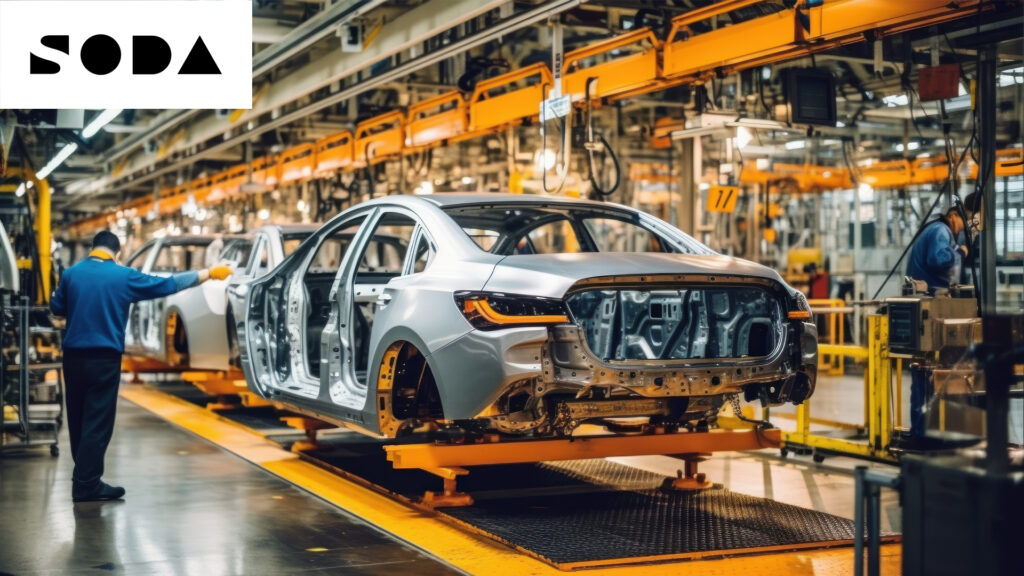
SHEIN’s on-demand model and instant product drops raise the same question: who is paying the price? Products are transported by air, causing enormous environmental problems.
We must consider vertical production and how everything can be kept in one place. Advances in AI and digital printing allow us to send a file, print it and complete production in situ.
That is how we must start thinking differently. My work considers all these elements together. I have always embraced technology because designers should be at the forefront of conversations about positive change.
Design does not have to be limited to products. It can also be applied to systems. Life is rarely black and white. The grey area in the middle is where the opportunities exist.
Question 2. How can creative leadership help businesses move beyond sustainability targets and create lasting systemic change?
Sarah Ratty: Metrics matter, but they do not inspire transformation.
Businesses need to ask what story they are telling, which values they embody and what kind of future their decisions are creating.
Fashion and culture remind businesses that sustainability involves imagining better ways of living. Fashion thrives on newness, but we cannot continue chasing new products without reducing production.
If businesses stopped producing the 30% that is currently overproduced, that single action would have a significant effect throughout the supply chain. It could help reduce the pressure placed on people working in factories under terrible conditions.
An Oxfam report found that some women working in factories were not allowed to take toilet breaks and were sitting in nappies while making clothes. That is an appalling situation unique to this period in our civilisation.
Factories are being squeezed because companies want higher volumes at lower prices. Workers ultimately pay the price.
We do not need the 30% that is overproduced. It ends up as textile waste on beaches in Accra or in mountains in Chile. This has developed within the past 20 years and was never historically part of humanity’s system.
It is time to address it. We must understand the effects of our design and buying choices. Companies also need cultures in which employees can question established practices and ask how the business could work more constructively with factories.
Factories may not want to produce such large quantities, but they still need to pay their workers and survive. We must consider the entire system and ask how change can benefit everybody.
This connects with the idea of the leisure age and a new renaissance. Giving people more time would create opportunities for creativity, artistic work, health and well-being. That is the opportunity presented by this new age.
Question 3. What do you want business leaders and other audiences to take away from your speeches?
Sarah Ratty: I want to inspire hope for this generation, the future and organisations. I want people to recognise that the light bulb moments they experience while I am speaking matter and that they can contribute to transformation.
Many people may not know that I survived a road traffic accident in South Africa in 1999. I broke my back, leg, arm and shoulder. I was at the peak of my career and thought it was over.
I remember telling myself, “People break their legs skiing all the time. I’ll be all right.” It took me five years to recover, and I was disabled during that period. The experience gave me a different perspective.
I remained committed to transformation and asked myself what I could do next. That led to my involvement with the Soil Association, the Ethical Fashion Forum and the Pesticide Action Network.
I had design knowledge, a fashion background and industry connections. I wanted to use that experience to create positive change from within.
People often talk about turning lemons into lemonade. I recently heard someone say, “Don’t just turn them into lemonade. Get the tequila and the salt.” We should be able to have fun while building resilience and recovering from setbacks.
I have had an incredible career and life, and I have been fortunate to meet many remarkable people. I now want to help others transform.
I hope my speeches help people understand that they matter and consider how they can create change within their organisations. I am one of eight billion people, but collective action can make a difference.
We are fortunate to live on a planet with mountains, rivers, lakes, streams and beautiful marine life. We must act when systems are failing and have the confidence and courage to change them. I hope I inspire leaders to do that.

Stay updated with our latest publications.
Discover Issues
See how we can help you grow in the online space!
Advertise With Us
We can help promote your business.
Find Out More