Your Business Is Good. So Why Isn’t It Showing up in Search and AI?

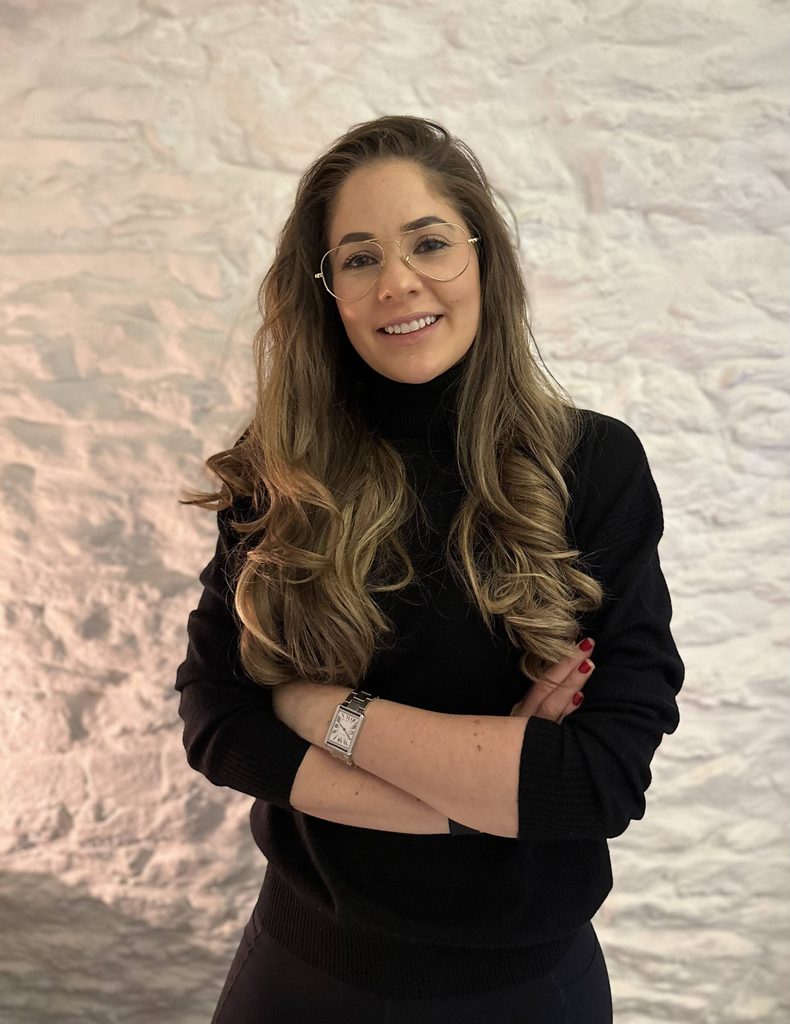
By Gabriella Bord, Co-founder & CEO, DNA and FR^NK
You’ve built a business worth choosing. Your team delivers, your clients come back. So, when someone searches for what you do, in Google or using generative AI, do you show up? Or does your competitor get the introduction?
Most CEOs find out late, because the report on their desk still measures the old world. It counts who found you. It can’t tell you what buyers actually asked, which engine answered, whose name came back, or why.
What are your teams actually reporting on?
People now put the question they used to type into a search bar into ChatGPT, Claude, Gemini or their LLM of choice, and get an answer, not a list. Magenta Associates surveyed 300 UK decision-makers with B2B buying power: 66% use AI to find and assess suppliers, and 85% have found a new supplier through an AI answer.
It’s happening inside Google too. DataForSEO, puts an AI-generated answer on 61% of Google searches, up from 6% two years ago. When that answer appears, it takes nearly half the clicks. Today, being first on Google is worth about a third less than it was.
The questions for your marketing, comms and content teams have changed. What are our customers actually asking, in their own words? When they ask for a shortlist, are we on it, and what does it say about us? Can AI crawlers even read the hub we publish on, or is our best thinking locked in a site built for a different decade? Which pages are losing ground, which are quietly winning, and which formats get picked up?
Then ask for it on one slide. Most teams can’t, and not for lack of talent. The data sits in bits: each tool, each agency, each market reports its own part, and nobody joins it up. By the time it reaches the board it’s late, thin, or both.
It started with one client
For a decade we’ve been the creative agency that builds tech, and content was our trade. Then, working with Vodafone Business on V-Hub across 11 markets, we put our hands up and said to the client: search has moved. So has user intent, and so has the way pages get found, with AI engines deciding what gets surfaced and their crawlers deciding what they can even read. The question was no longer which topics we thought customers wanted next. We needed to focus on how people were finding us.
We needed to see all 11 markets side by side: what people were searching for, how the content performed, where competitors were showing up and what AI said back. No tool could do that. So, we built it.
Every week FR^NK reads your site, shows how search engines and AI understand you against your competitors, and turns that into a content plan and the briefs your writers start from. One place, in plain language. We cancelled our other subscriptions and ran every piece of agency work through it. We still do.
SEO isn’t dead. It has company.
Some of you will have heard that SEO is dead. I don’t believe that. What’s coming is a fight between the giants over where your customer’s question starts: in Google, which now answers as well as lists, or in an LLM. Your customers will use both, so you need all three fronts.
SEO is the foundation. If your site can’t be crawled and read, nothing else works. AEO is being the answer to a direct question, content a machine can lift cleanly, and we treat it as performance because you can track it question by question. GEO is whether the engines name you when nobody typed your brand, and that is built the way reputation is built: coverage, reviews, the sites and forums people trust. So, GEO is partly your site and mostly everywhere else you show up.
Which is why brand work now shows up as a count, in the same dashboard as performance, every week. We run the three as one measured programme. That’s what FR^NK does. And be wary of anyone who promises rankings. Nobody can. What a good tool and a good team can do is show you what changed, why, and what to do next.
Where we stand
Competitors can build the software, and some of it is very good. They can’t give you the humans, with decades of agency experience behind them.
We are tech and team. As machine-to-machine interactions take over, I believe human touchpoints become more important, not less. FR^NK briefs. A person writes. Someone who knows your business from the inside writes the page. You pay for the tech and add the team when you need it: no account manager baked into the software cost, just experts on hand when you want and need them. And because no two businesses work the same way, the team fits FR^NK to how yours actually works, not the other way round.
One more thing. Anyone can build software now; you can vibe code a tool in a weekend. Answering the questions enterprise procurement asks, where your data lives and who touches it, is a different ballgame. Ask any tool. If it can’t answer plainly, that’s your answer.
So put the question your best customer would ask into ChatGPT. Does the answer give them a reason to call you?
If it doesn’t, let’s talk. Find out how search and AI see your business: run your free read at frank.online/read.

Stay updated with our latest publications.
Discover Issues
See how we can help you grow in the online space!
Advertise With Us
We can help promote your business.
Find Out More