Why Great Leadership Is About Action, Not Motivation
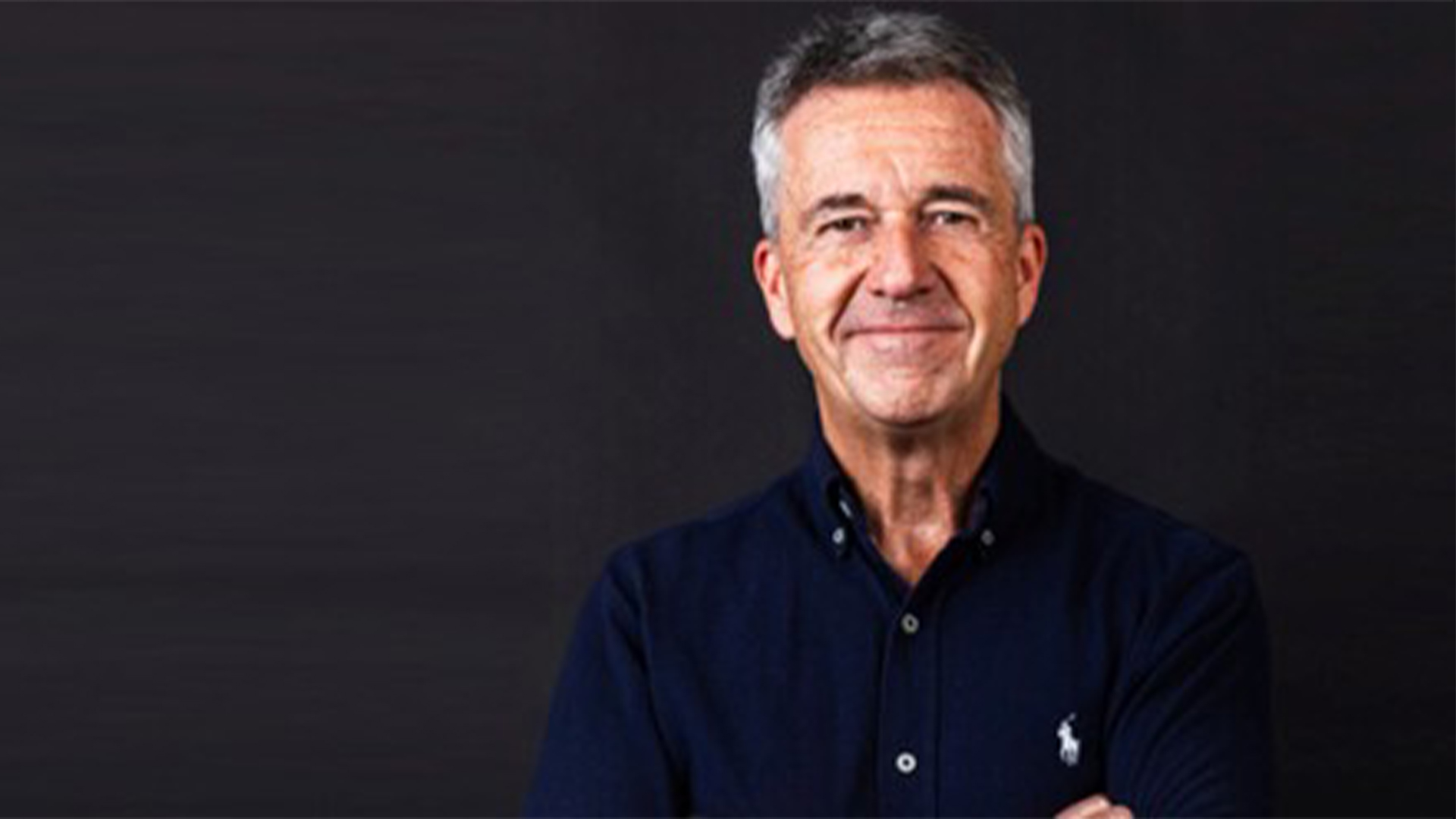
This exclusive interview with Paul McGee was conducted by Tabish Ali of the Motivational Speakers Agency.
Paul McGee is a globally recognised inspirational leadership speaker, known for helping leaders navigate change, build resilience and communicate with clarity under pressure. With a background in psychology and more than three decades of experience, he has worked with organisations across business, sport and the public sector to drive practical, people-first leadership.
Best known for his bestselling SUMO (Shut Up, Move On) philosophy, Paul combines humour, insight and memorable frameworks to challenge unhelpful thinking and unlock performance. His work focuses on turning setbacks into momentum and helping leaders influence behaviour, not just mindset.
In this exclusive interview with the Champions Speakers Agency, Paul McGee shares his perspective on impactful communication, the enduring value of human connection, and what today’s leaders must do to create lasting change.
Question 1. Why has the SUMO philosophy continued to resonate with leaders and organisations for over two decades?
Paul McGee: SUMO is celebrating its 20th anniversary and is now translated into 13 languages. What’s interesting about that is it was rejected by 13 publishers, yet it’s now available in Thai, Indonesian, Ukrainian, Russian and several other languages.
So why has a book with a quirky title survived the test of time? SUMO is an acronym. It can stand for shut up, move on or stop, understand, move on. I think it comes down to my no-bull approach to life. I don’t bring corporate jargon into my communication or overload people with business models and theories.
My material is relatable. I talk about my own personal challenges and business challenges. It’s practical. I give people insights, I challenge their thinking, but I always make it usable.
The ideas are also very memorable. I talk about things like “hippo time”. Hippos wallow in the mud, and sometimes we need to do the same, but it’s a detour, not a destination.
Another example is the beach ball. When you look at it, you might see orange, yellow and blue. Someone else might be looking at the same ball and seeing something different. Your view isn’t wrong, but it might be incomplete. That idea helps people see situations more clearly.
What’s fascinating is how strong that visual metaphor is. Organisations end up buying mini beach balls and putting them on tables or in meetings as a reminder to ask, “I know my perspective, but what’s yours?” or “How is our customer seeing this?”
When something is relatable, practical and memorable, people respond to it. Ultimately, SUMO works.
Question 2. How should leaders think about communication if they want to influence behaviour, not just share information?
Paul McGee: I work with organisations on one-day and two-day workshops, and although I’m often seen as a bit quirky, my background is in psychology. I’m a visiting professor at the University of Chester, and I worked years ago with Dr Stephen Covey, author of The Seven Habits of Highly Effective People.
Habit number two is begin with the end in mind. Often, we have ideas in our head, but we don’t stop to think what we actually want to achieve when communicating with a group or even one person.
I encourage people to think about KFD, not KFC. Before you open your mouth, ask yourself: what do I need people to know? That’s the K. How do I want them to feel? That’s the F, and it’s something we often overlook. And finally, what do I want them to do? That’s the D.
I’m often brought in to help people deal with change, become more resilient and lead others well, but also to give them a boost. People want to leave feeling inspired and believing that the challenges ahead are ones they can meet.
Sometimes people need to feel inspired. Other times they need to feel challenged or reassured. But if you only focus on what people know and feel, and don’t give them a clear action, nothing changes.
One final point: don’t drown people in detail. You don’t have to tell them everything. I’m not trying to squeeze a one-day workshop into a two-minute answer. Less can be more.
Question 3. In an increasingly digital and AI-driven world, why do human relationships remain critical to business performance?
Paul McGee: Ultimately, as human beings, we are social animals. There’s a spectrum. Some people are more introverted and don’t need many people around them, but they still need some connection. Others are more extroverted and gain energy from people.
Relationships will always matter, especially in a world of AI and fake news. I love the phrase: in a world of iPhones and iPads, don’t underestimate the importance of eyeballs. Real connection still counts.
If this conversation were happening without cameras, it would feel different. Non-verbal cues matter. They reassure us and shape how messages are received. When communication is reduced to emails or screens, some of that impact is lost.
I recently worked with a client going through major change, including redundancies. They asked their senior leadership team whether to meet virtually or in person. Even though meeting virtually would save money, most people said there was real value in being in the room.
That sums up why human relationships, in business and in life, are so important.
Question 4. When senior leaders leave one of your talks, what mindset and behaviours do you want them to take back into their organisations?
Paul McGee: I see my sessions more as conversations than speeches. I’m not a Shakespearean orator. What matters to me is connection.
I often talk about IIP. The first I is insight. We have unlimited access to information, but what we really need is insight. Information is knowing that a tomato is a fruit. Insight is knowing not to put it in a fruit salad.
I want people to leave with insights and time to think. The second I is inspiration. To inspire means to breathe life into, and many people feel drained. I want them to leave feeling energised.
The P is practical tools. It’s not about forced positivity. I share practical questions people can use to help them SUMO. For example, when facing a challenge, ask where it sits on a scale of 1 to 10, where 10 is the end of the world. Ask how important it will feel in six months’ time, or how you can influence the situation.
People don’t just want insight and inspiration. They want tools they can use, not only at work, but in their personal lives as well.

Stay updated with our latest publications.
Discover Issues
See how we can help you grow in the online space!
Advertise With Us
We can help promote your business.
Find Out More