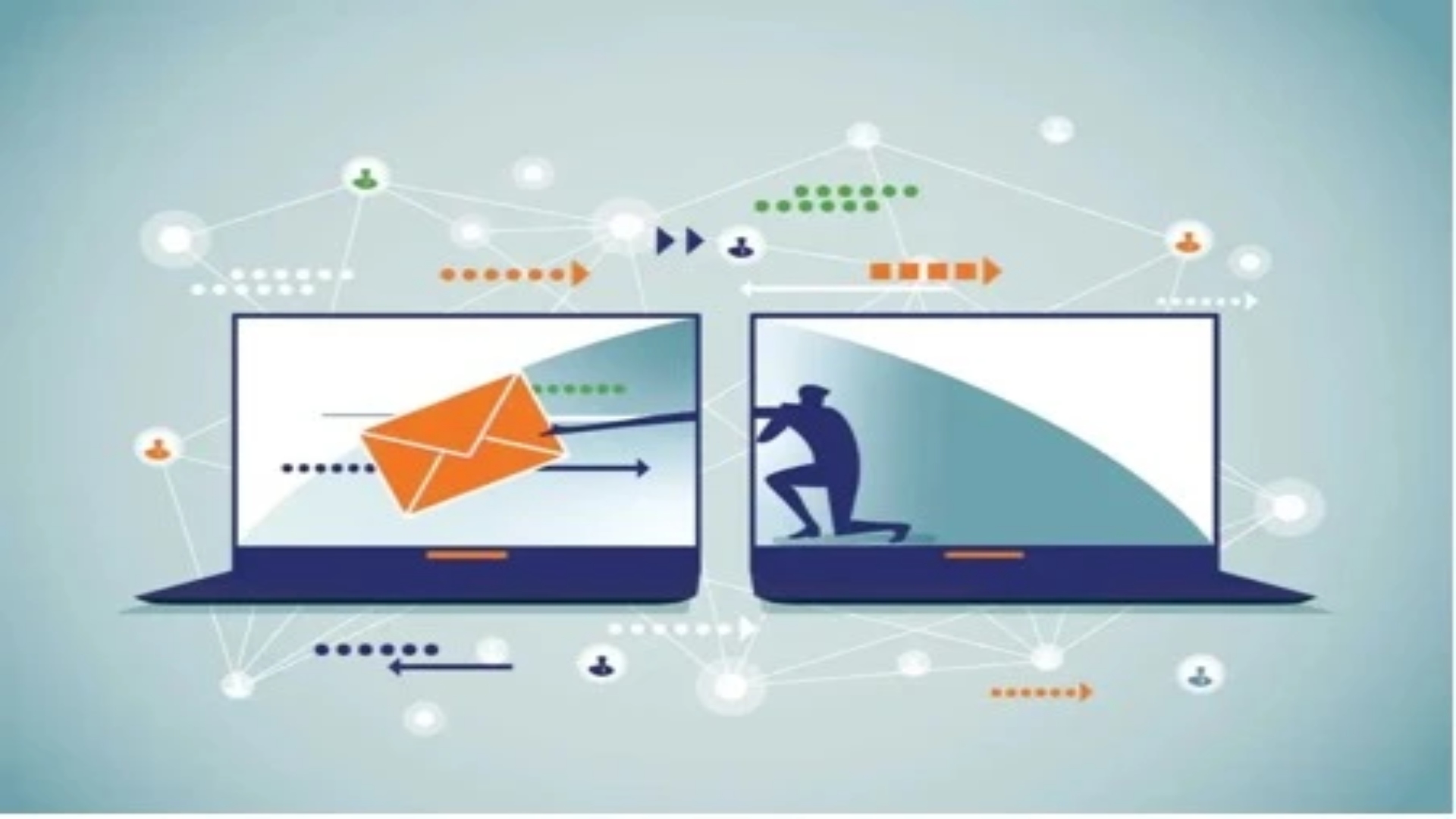
Why Executives Must Rethink Cyber Risk After a Single Suspicious Click
Modern cyberattacks happen with minimal fanfare. The screens don’t go dark at the same moment; there are no ominous, blood-red threatening messages, and no overly complex tactics that allow hackers to gain access to a corporation. Everything happens in the most mundane way you can probably imagine: you get a message that looks legit, click on a link, and lose valuable data.
Cybersecurity is no longer a purely IT issue, so every person, including basic employees and executives, must take responsibility for their safety. There are ways to verify what kind of link you click on and solutions to follow if you end up falling victim to a phishing attack. Another important thing is understanding the risks and the response protocols well in advance: this will help you protect yourself and keep your business safe.
Executives as the New Targets of Phishing Campaigns
Before, cybercriminals targeted random people, hoping that at least someone would open their malicious links and give them a chance to steal valuable private data. Today, phishing attacks have become much more targeted, and it’s the executives of various companies who are chosen as victims.
Why Executives
What makes cybercriminals attack executives by trying to get them to open harmful content? There are several reasons for this, the key ones including:
- Privileged access. It’s a guarantee that CEOs and CFOs have the widest range of permissions: they can access financial systems, intellectual property, acquisition plans, etc.
- Payment authority. Executives can authorize various payments, including large ones, which makes them an ideal target for cybercriminals.
- Reduced scrutiny. Executives have more freedom when it comes to browsing the Internet; besides, if employees get instructions from a person they assume to be their CEO, it’s more likely that they will follow them with minimal questions asked.
- Time pressure. Higher-ups are used to clicking on various links in quick succession: they rarely stop to verify what kind of link they are dealing with, as their operations are urgent.
Then there is the aspect of safety. In most cases, executives feel protected by their companies’ IT departments. They don’t believe they might encounter a bold phishing attack, and that’s where the biggest danger lies.
Typical Phishing Campaigns
Why do executives need to rethink their approach to cybersecurity? Because new phishing campaigns tend to be crafted with great care and meticulousness. Here are the common executive-focused phishing examples:
- Fake business email. Attackers impersonate the executives’ business partners or internal departments, going as far as learning the right names: links from such people might seem safe even when they aren’t.
- Credential harvesting. There is a growing number of links leading to fake cloud platforms that look exactly like originals: once a CEO logs in, their credentials get stolen.
- Fake meeting invites. It’s natural for an executive to get meeting invitations on a daily basis. Seeing yet another one in their inbox might not seem like a big deal until the link turns out to be malicious.
- Legal documents ruse. Sometimes, executives get urgent emails asking them to sign or review something. These messages might seem informed and legit, but one suspicious link clicked, and you are in the world of trouble.
Each of these campaigns can spell disaster both for the CEO and their company. The consequences range from financial to operational, reputational, and even legal, as you risk losing your money, disrupting business processes within your organization, and compromising sensitive info about your partners.
How Executives Can Protect Themselves and Their Business
Phishing attacks target every possible industry. As detailed research conducted at the end of 2024 showed, 12% of the attacks targeted financial institutions, 10.99% chose the e-commerce industry, 3.7% attacked logistics companies, and 23.3% focused on SaaS. Anyone can become a victim, and the more responsibility you carry, the more important it is to know how to protect yourself.
Is there a way for executives to protect themselves against these evolved phishing attacks? Yes, of course. We are going to present a couple of effective strategies below:
- Using executive-focused safety protocols. Having segmented accounts is a good idea: this way, executives can use a separate, restricted account for financial operations and communicate through other means.
- Strengthening authentication measures. Introducing hardware-based authentication tokens can strengthen the safety of executives: at the very least, it will lower the number of successful cyberattacks.
- Limiting sensitive information to the public. It’s better to limit what information is available to the public, even if it’s something basic, like the names of employees or specific business partners. It can help tell real and fake messages apart.
- Participating in cybersecurity training. This is the most underrated but the most essential strategy: every executive must undergo cybersecurity training. The more basics they master, the easier it will be to spot the attacks in progress.
Following these strategies alone is already a sure way to secure your digital safety and add a layer of protection to your company.
Better Safety Leads to More Successful Operations
Considering how smart and tailored modern phishing attacks have become, it’s crucial for executives to reassess the cyber risks they are facing. Thinking they are safe just because of their position is a myth: on the contrary, privileged access and decision-making power make them the most tempting targets.
Education and training are the most important solutions. Every executive must learn what common phishing campaigns involve and how to avoid them. They should brainstorm their plans with IT derpartments, come up with executive-level safety protocols, and keep everything they’ve learned in mind.
If you find yourself in this position, be sure you understand what dangers you can lead yourself into if you keep clicking on links without gauging their validity first. Work a little more slowly but with assurance that you and your corporation will remain safe from any phishing attempts and their consequences.

Stay updated with our latest publications.
Discover Issues
See how we can help you grow in the online space!
Advertise With Us
We can help promote your business.
Find Out More