What CEOs Risk When AI Removes the Struggle

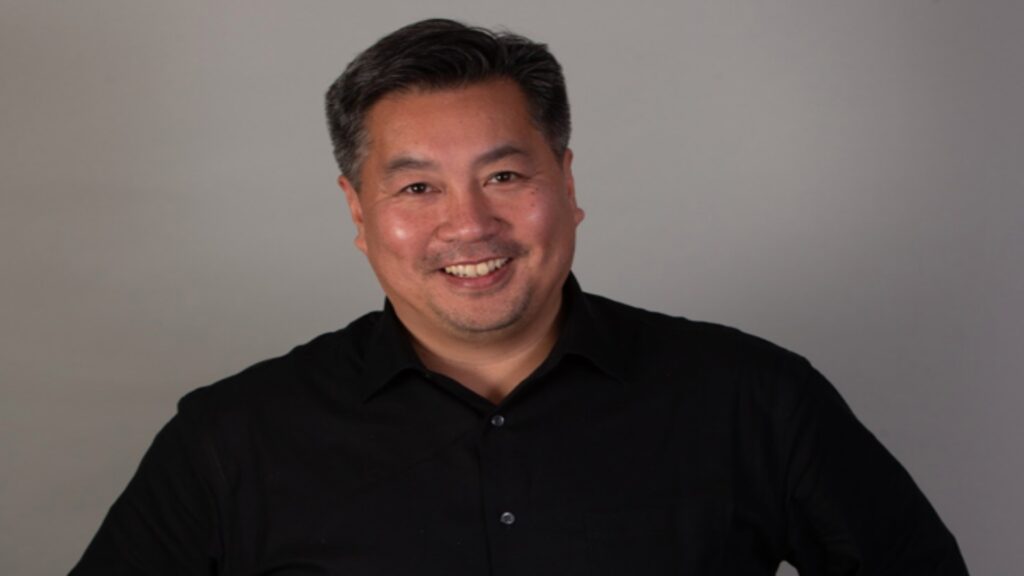
By Adolfo Gómez Sánchez, CEO, GOLD Results
The easiest way to measure the impact of AI is to count the time it saves. A report that once took hours appears in minutes. A presentation starts with a competent first draft instead of a blank slide. Routine communication can move faster.
For CEOs under pressure to improve productivity, those gains matter. But they can also hide a harder question: what happens if the work we remove is also the work that teaches people how to think, understand the business more deeply, and innovate?
That is primarily a leadership issue, not a technology issue. Zynga founder Mark Pincus recently told Fortune that AI can get people to a “B-plus in seconds”. The risk, he suggested, is that someone who has never learned to produce excellent work may struggle to recognize excellence when they see it.
That idea deserves more attention in the boardroom. AI can accelerate competent execution. It cannot remove the need for leaders and teams who know when the obvious answer may not be the best one.
The hidden trade-off behind productivity
Management often rewards predictability. Processes are designed, targets are set and people are expected to execute consistently. When the task is known and the desired outcome is clear, AI can be extremely valuable.
There is little reason for a person to spend an afternoon on work a system can complete accurately in minutes.
Leadership begins where that certainty ends. A CEO cannot assume the next strategic challenge will resemble the last one. Customer expectations change. New competitors appear. A proven commercial model loses momentum. Geo-political conditions shift, disrupting supply chain dynamics and previous commercial alliances. Sometimes the problem itself is unclear.
Dealing with those situations calls for adaptive performance. People need to understand the reality in front of them, challenge assumptions and imagine a better option that may not yet exist. If we automate every difficult step because it looks slow, we may also automate away part of the process through which expertise is built.
Struggle is part of the training
Elite sport makes the distinction easy to see. Modern athletes have access to huge quantities of data. Coaches can measure movement, workload and technique with remarkable precision. Yet no serious athlete believes the data removes the need for thousands of hours of deliberate, focussed practice.
Technology can show an athlete where performance is falling short. It cannot do the repetitions for them. Those repetitions create something the dashboard cannot provide: the ability to integrate and embody the identified improvements into their own performance, such that they can access these them under pressure.
Business expertise develops in a similar way. Writing an argument from scratch forces someone to decide what matters. Making a call when the information is incomplete develops judgement. A mistake that is properly examined becomes experience that can improve the next decision.
These activities can look inefficient on a productivity dashboard. They are also how people learn to operate when there is no template. If employees habitually ask AI to do the critical thinking before they have formed their own view, they can still produce what looks on the surface as polished work. What becomes harder to see is whether the capability sits with the employee or with the tool.
That distinction matters when the standard answer stops working.
AI knows patterns. Leaders must spot possibilities
Generative AI is good at finding and recombining patterns from the that exists. That makes it useful for exploring what is known and testing an idea quickly. Leadership often asks a different question: what could exist that would take us to a higher level of performance and excellence?
A new strategy can require an organization to reject accepted wisdom. Innovation may begin with an idea that looks unreasonable when judged against how the market operates now. The leader’s job is not simply to identify the average answer faster. It is to understand the current reality well enough to see where it could be challenged.
That ability depends on expertise. The danger is not that AI suddenly makes people incapable of thinking. It is more subtle. If people get fewer opportunities to practise difficult thinking, the organization may discover the capability gap only when it faces a problem the machine cannot neatly resolve. And that is usually too late.
Design AI around stronger people
CEOs should therefore judge AI adoption by more than hours saved. A useful starting point is to separate work that mainly requires execution from work that develops judgement. Automate the first aggressively. Be more thoughtful with the second.
For ambiguous decisions, teams can form an initial view before consulting AI. Once the tool responds, the conversation should focus on what it missed, which assumptions deserve challenging and whether the proposed answer merely reflects common practice.
That changes the role of AI. It becomes a sparring partner rather than the person doing the thinking.
Leaders should also reconsider what they reward. If every AI initiative is assessed only through speed or headcount efficiency, people will naturally optimize for those outcomes. The business may become quicker while its capacity for original thinking quietly weakens.
The better test is whether technology is helping people make stronger decisions and freeing them to spend more time on work where human expertise creates value. AI will keep improving, and businesses should use that capability confidently. But the goal cannot simply be to remove effort. Some effort is waste. Some is essential practice.
The CEO’s job is knowing the difference. The organizations that get this right will gain the productivity benefits of AI without giving up the human capability they will need when the next challenge has no ready-made answer.

Stay updated with our latest publications.
Discover Issues
See how we can help you grow in the online space!
Advertise With Us
We can help promote your business.
Find Out More