What CEOs Get Wrong About AI
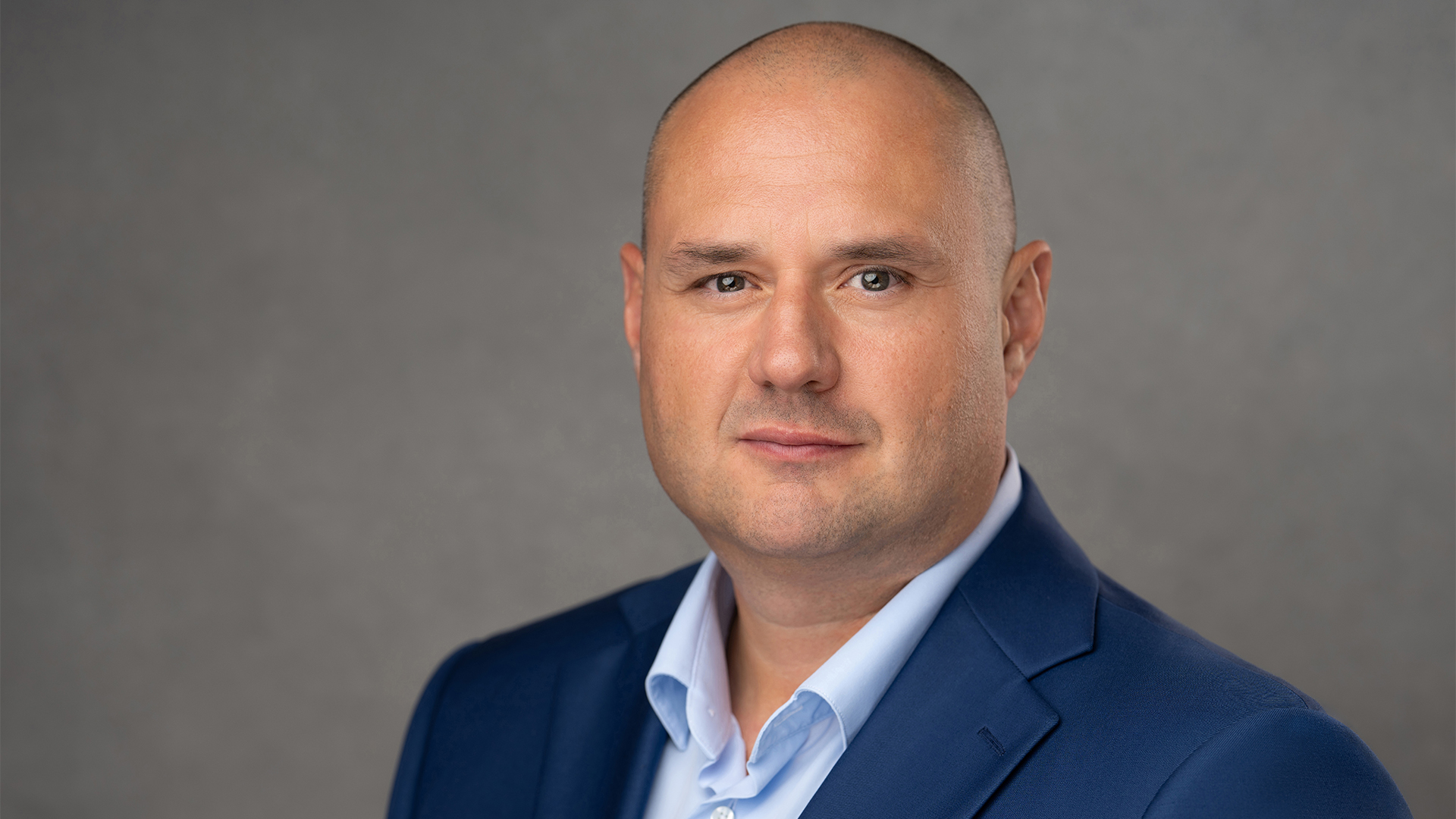
By Peter Juhasz, CEO and Co-Founder of Syrvi AI
Most businesses begin with a founder making a large number of decisions themselves. They know which customers are worth pursuing, what a good opportunity looks like and where problems are likely to appear. In the early years, that instinct can be one of the company’s greatest strengths because decisions are quick and there are few layers between spotting an opportunity and acting on it.
The difficulty comes when the business grows but the way decisions are made does not grow with it. I have seen businesses reach £500,000, £1 million or even £2 million in revenue while the founder is still personally involved in sales, marketing and operations. They are checking dashboards, chasing leads, approving work and carrying knowledge that nobody else in the company has access to.
From the outside, the business may look successful. Inside, much of that success can still depend on one person.
This is where AI presents a much more interesting opportunity for CEOs than simply automating tasks. It can help businesses become less dependent on what one person knows, remembers or has time to notice.
When the founder becomes the system
Many growing businesses already have plenty of technology. There may be a CRM, analytics software, outreach platforms, marketing automation and several AI tools, yet the founder still ends up connecting everything.
They notice when a lead has not been followed up, know why a particular client is a poor fit or remember that a certain type of enquiry usually converts well. The company has technology, but much of the intelligence behind how it operates still sits with the CEO.
As the company grows, this becomes harder to sustain. There are more customers, conversations, data points and decisions taking place every day, while the founder inevitably sees a smaller proportion of them.
AI can help turn that information into something the wider business can use. Rather than relying on somebody remembering that a particular type of customer tends to buy, the company can analyse which customers actually convert. Instead of assuming which messages work, it can examine responses across hundreds of conversations and identify patterns far earlier.
The aim is not to replace intuition, but to give leaders better evidence on which to apply it.
A company should know more than its CEO
Every sales conversation teaches a business something. Customer objections, successful deals, failed pitches, marketing performance and buying behaviour all produce knowledge that could improve the next decision.
The problem is that companies are often poor at capturing it.
A salesperson learns why a prospect said no, somebody in marketing notices that one message performs better and the CEO spots a shift in customer behaviour, but those pieces of information may never come together.
This is where AI becomes more valuable than a collection of tools completing isolated tasks. It can help connect what the company already knows across sales, marketing and customer activity, allowing the organisation to learn from itself rather than depending on individuals to spot every pattern.
I saw this with a Managed Service Provider (MSP) IT business where demand was strong but growth remained unpredictable. Rather than adding more automation, we first analysed what converted most effectively, the characteristics of higher-value customers and which messaging consistently resonated with decision-makers. Only once those patterns were understood did automation make sense.
That approach created something far more useful than additional activity: a repeatable system that did not rely as heavily on the founder to keep pushing it forward.
The M&A test
My experience around mergers and acquisitions has also shaped how I think about founder dependency.
When somebody considers acquiring a business, an impressive founder can be both an asset and a risk. If revenue depends heavily on their relationships, customer acquisition requires their personal involvement and important decisions cannot happen without them, a buyer has to consider what remains when that person leaves.
Turnover tells one part of the story, but repeatability tells another.
A business with predictable customer acquisition, clear processes and systems that continue working without extraordinary founder involvement is very different from one where the CEO is still holding everything together behind the scenes.
This gives AI a role in business value that goes beyond productivity. Used properly, it can help turn knowledge, processes and successful behaviours into systems that belong to the company rather than remaining with individuals.
Where does the CEO still need to be?
None of this means handing leadership over to AI. It can analyse information, identify patterns and maintain consistency, but it cannot decide what kind of company a founder wants to build or take responsibility for its direction.
The more useful question for CEOs is which parts of their involvement genuinely require their judgement.
If a CEO is still checking whether leads have been followed up, moving information between systems or making routine decisions because nobody else has the context, there is probably a better way to structure that work.
Deciding which markets to enter, which opportunities fit the company’s direction or whether an acquisition makes strategic sense is different. Those are decisions where experience, context and judgement matter.
Founder intuition therefore is not disappearing, but its role needs to change. The aim should be to take what the founder has learned and embed as much of that knowledge as possible into the business.
A CEO should not need to know everything happening inside their company for it to work well. Building an organisation that can learn, make better decisions and keep moving without waiting for the founder to step in may be one of the most valuable applications of AI of all.

Stay updated with our latest publications.
Discover Issues
See how we can help you grow in the online space!
Advertise With Us
We can help promote your business.
Find Out More