The Office Equipment Upgrades Actually Worth Investing In
Businesses are usually quick to invest in things like software, hiring new staff, or marketing campaigns. As clear drivers of growth, they naturally attract the most attention and budget.
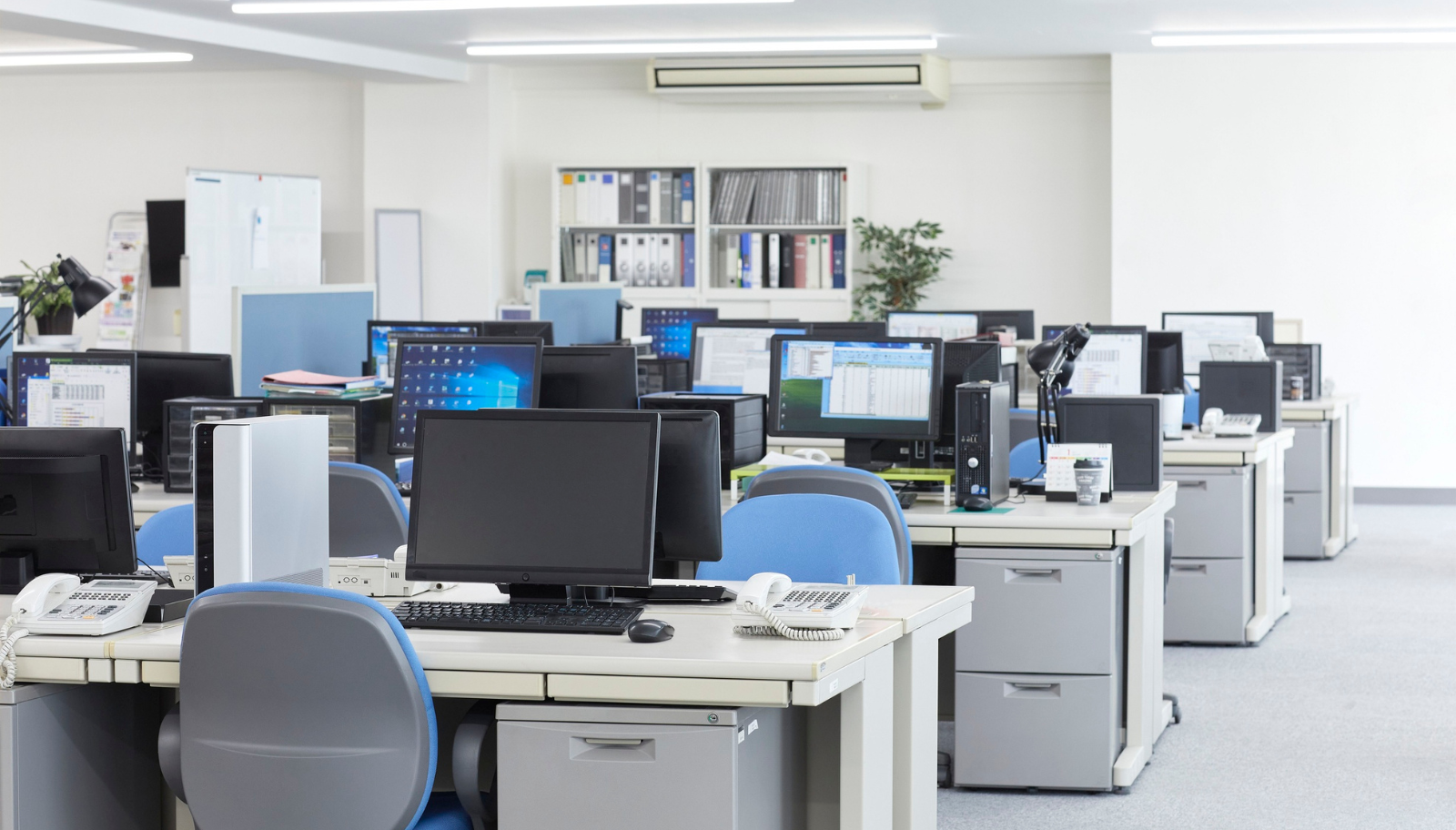
However, it’s the physical environment people work in every day that often gets overlooked. When equipment is outdated, unreliable, or poorly set up, it can slow things down, and for staff, work becomes more frustrating than it needs to be.
Here are some of the key areas to look at when it comes to an upgrade.
Printing
Office printers have a reputation for being the most frustrating piece of equipment in the workplace. Most teams have experienced Paper jams, slow printing speeds, and connection issues at one time or another.
Despite that, printers are often left in service far longer than they should be. Businesses tend to squeeze every last year out of them, even when they’re clearly past their best.
Older machines tend to be slower and break down more often. So when staff have to constantly work around printing issues, it also eats into valuable working time.
Modern multifunction printers solve many of these problems in one go. A single device can print, scan, copy, and send documents directly to email or cloud storage, which simplifies workflow.
Document Finishing
How a document looks when it lands in someone’s hands matters more than many businesses realise.
A proposal, report, or presentation that’s neatly finished sends a clear message: the organisation behind it takes the details seriously. On the other hand, poorly presented documents can unintentionally suggest the opposite, and this is where document finishing equipment can make a real difference.
Laminators are far more useful than people often assume. They’re ideal for protecting signage, reference sheets, training materials, or any document that will be handled regularly.
Binding machines are another practical investment, particularly for offices that regularly produce reports, proposals, or internal manuals. A bound document immediately looks more polished than loose sheets clipped together.
Shredding and Document Security
Data protection is something every business takes seriously. In reality, however, many offices rely on small desktop shredders. This can jam frequently, overheat easily, or simply can’t handle the volume of documents being disposed of.
HR files, financial paperwork, and client records all contain data that must be destroyed securely, so basic shredders aren’t really designed for that job.
Business-grade shredders are built differently. They can handle large batches of paper, shred through staples and credit cards without preparation, and produce cross-cut or micro-cut output that meets proper data protection standards.
For companies that handle confidential information regularly, shredding equipment shouldn’t be an afterthought.
Ergonomics
One of the most overlooked areas of office investment is ergonomics. Yet issues such as back pain, neck strain, and repetitive strain injuries are among the most common causes of workplace absence across the UK.
Supportive office chairs that encourage proper posture can make a noticeable difference during a full working day. Height-adjustable desks allow staff to alternate between sitting and standing, reducing strain and improving comfort.
Even simple adjustments to monitor height and keyboard positioning can help prevent unnecessary discomfort.
These upgrades aren’t luxury perks. They’re practical tools that help people work comfortably and stay focused for longer periods.
Storage and Organisation
A cluttered office may seem minor, but over time, being disorganised can waste a surprising amount of time.
When staff spend even a few minutes searching for files, supplies, or equipment, those delays accumulate across a team over weeks and months.
Good storage doesn’t have to be complicated. It simply needs to be logical and accessible.
Filing systems, lockable cabinets, shelving units, and labelled storage areas make it easier for people to find what they need quickly. Sensitive documents can be stored securely, while frequently used materials remain easy to reach.
Communication and Connectivity
The rise of hybrid working has changed how offices operate. Meetings now regularly involve both in-person and remote participants, which means the technology supporting those meetings has become far more visible.
When a meeting room struggles with poor audio, unreliable cameras, or slow screen sharing, the impact is immediate. Conversations stall, time is wasted troubleshooting, and the experience can feel unprofessional to clients or partners joining remotely.
Microphones, clear cameras, and easy screen-sharing systems make meetings smoother and more productive. Staff spend less time dealing with technical hiccups and more time focusing on the discussion itself.
Connectivity also plays a crucial role. Slow internet speeds and unreliable Wi-Fi can be a common complaint in the office.
Review Equipment Before It Fails
One of the most expensive ways to manage office equipment is simply waiting for things to break. When devices fail unexpectedly, businesses often have to rush into replacements, sometimes paying more or choosing solutions that aren’t ideal.
The best approach is to review equipment regularly.
An annual audit of office equipment, such as what you have, how old it is, and how much it costs to maintain, can give a much clearer picture. Doing so allows businesses to plan upgrades properly and avoid last-minute decisions.
Keeping Office Purchases Simple
Managing office equipment through multiple suppliers can quickly create unnecessary admin. Ordering supplies, tracking deliveries, and managing invoices becomes more complicated than it needs to be.
Using a single supplier for a wide range of office essentials can simplify purchasing considerably.
Businesses can source everything from everyday stationery to larger equipment like printers, shredders, laminators, and office furniture in one place, saving time for both operations and finance teams.
A Key Consideration
A well-equipped office doesn’t just make working easier, it also sends a clear signal to the people who work there. It shows that your organisation pays attention to the environment in which its team operates.
Small equipment upgrades might not seem as exciting as new software or major strategic initiatives, but they often have a surprisingly direct impact on daily productivity.
For businesses thinking about performance, efficiency, and staff retention, investing in the right office equipment is often far more worthwhile than it first appears.

Stay updated with our latest publications.
Discover Issues
See how we can help you grow in the online space!
Advertise With Us
We can help promote your business.
Find Out More