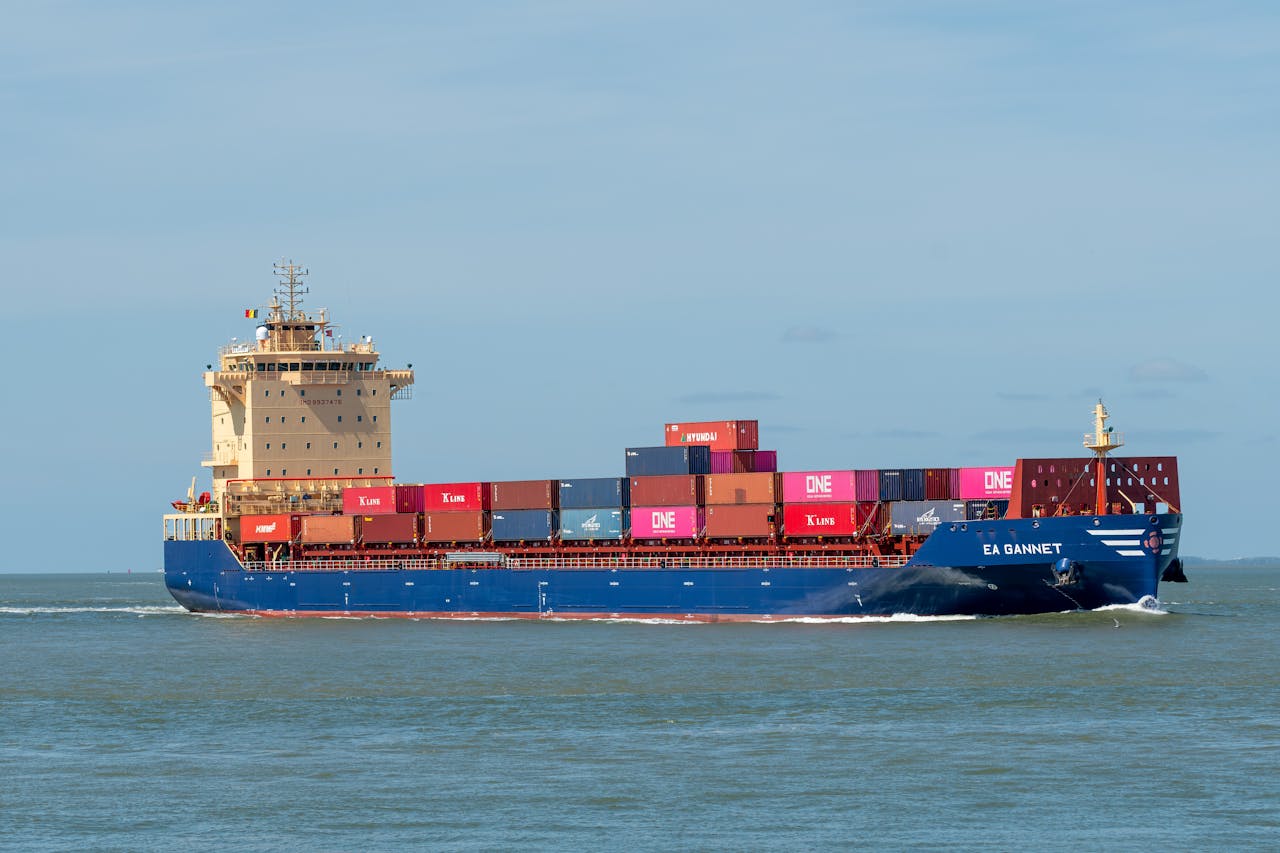
The Ocean Freight Shake-Up: Why Smart CEOs Are Reviewing Their Sea Logistics Strategy Now
For many business leaders, logistics was traditionally viewed as a back-office function, important but rarely strategic enough to warrant boardroom attention. That mindset is changing rapidly.
Recent global supply chain disruptions, from pandemic-related bottlenecks and geopolitical tensions to shifting trade regulations, have proven that freight vulnerabilities directly impact the bottom line. Today, forward-thinking CEOs recognise that shipping decisions dictate corporate profitability, customer satisfaction and long-term competitiveness.
In particular, ocean freight has become a critical area for strategic review. For organisations relying on international trade, assuming that yesterday’s shipping model will deliver tomorrow’s results is a financial risk. The landscape has evolved, and corporate strategy must evolve with it.
The New Reality of Global Trade
International trade remains essential to corporate growth, but the framework supporting it has grown significantly more complex. Businesses relying on sea freight UK to USA services have experienced these challenges firsthand, with changing regulations, port congestion and evolving customs requirements creating additional operational pressure. Global shipping routes face constant pressure from fluctuating consumer demand, port congestion, customs overhauls and evolving environmental compliance requirements.
Simultaneously, customer expectations continue to rise across every sector. Whether supplying manufacturers, wholesalers or e-commerce operations, businesses are expected to maintain flawless stock levels and predictable delivery timelines. Failure to do so quickly results in reputational damage and lost market share.
This environment creates a challenging balancing act. Companies must aggressively control transport costs while building operational resilience against sudden disruptions. Achieving this requires total supply chain visibility without creating a heavy administrative burden. Consequently, ocean freight strategy can no longer be left entirely to isolated operational teams; it demands regular executive oversight as part of broader business continuity planning.
Why Ocean Freight Delivers Exceptional Value
Despite recent macroeconomic market volatility, sea freight remains the most cost-effective method for moving high-volume goods internationally. For businesses importing from manufacturing hubs in Asia or exporting to vast markets like North America, a freight forwarding company offers substantial bottom-line savings compared to air transport. It also provides unparalleled scalability for growing organisations that need to scale up stock volumes without exponentially increasing capital expenditure on transit.
Five Strategic Questions for CEOs to Optimise Supply Chain Efficiency
Capturing the value of a sea logistics strategy depends on optimisation. To unlock hidden efficiencies, smart CEOs should present five core questions to their operational leaders:
- Are our current shipping routes still the most cost-effective and reliable?
- Is our inventory planning dynamically aligned with fluctuating ocean transit times?
- Are outdated customs processes creating avoidable delays at port?
- Is the business exposed to systemic risk by relying on a single transport solution?
- Are our freight costs fully transparent, or are hidden fees eroding margins?
Addressing these questions systematically uncovers immediate opportunities for cost reduction, improved lead times and enhanced supply chain resilience.
Navigating the Customs Compliance Maze
One critical area that continues to catch expanding businesses off guard is customs compliance. Since Brexit, UK companies have confronted international trade documentation that is significantly more complex. Even experienced importers and exporters frequently encounter costly border delays due to minor paperwork inaccuracies.
Customs issues do not just stall delivery schedules; they generate unexpected demurrage charges, strain vital customer relationships, and halt production planning. This risk is why competitive organisations are actively seeking logistics partners that provide end-to-end compliance support rather than simple transportation. Having direct access to in-house customs expertise and proactive problem-solving prevents minor border administrative issues from cascading into major commercial setbacks.
Building Resilience Through Strategic Partnership
The ultimate lesson from recent supply chain disruptions is that flexibility matters. When global shipping schedules shift unexpectedly, executives require rapid access to reliable information and actionable alternative routes. Unfortunately, many organisations still find themselves navigating automated customer service systems and generic helpdesks when urgent solutions are required.
To mitigate this, modern businesses are shifting away from transactional vendor relationships in favour of partnerships with logistics specialists who offer dedicated account management. Working with an expert who thoroughly understands your specific products, trade lanes, and commercial objectives significantly improves agility when regional disruptions occur. This human-centred approach allows leadership to make faster, data-driven decisions and maintain absolute confidence in supply chain operations.
Looking Beyond the Lowest Quote
While transport costs will always be a critical variable, successful CEOs evaluate logistics providers on comprehensive strategic criteria. Reliability, real-time visibility, border compliance expertise, and proactive communication deliver far greater long-term value than simply selecting the cheapest spot rate quote.
For organisations moving goods between the UK, North America, Asia and Europe, reviewing ocean freight frameworks right now will reveal clear opportunities to strengthen commercial performance. Navigating today’s complex trading environment requires specialised expertise, particularly for those utilising targeted UK-US sea freight services across the competitive Atlantic lanes. Ultimately, an optimised freight strategy ceases to be an operational necessity and becomes a distinct competitive advantage.

Stay updated with our latest publications.
Discover Issues
See how we can help you grow in the online space!
Advertise With Us
We can help promote your business.
Find Out More