Mitigating Environmental Risks: The Importance Of Reliable Control Units
Industrial facilities are at the forefront of environmental protection, facing immense challenges in safeguarding our environment from harmful emissions and discharges. However, they’re not without their vulnerabilities. Malfunctions of pollution control equipment, for instance, can lead to the unintended release of toxins, resulting in regulatory violations and environmental harm.
Thus, it’s essential for these facilities to invest in high-quality control units. Such investments serve as a critical line of defense, helping mitigate risks, maintain regulatory compliance, and promote a safer environment.
Let’s discuss how dependable control units contribute to reducing environmental risks:
1. Prevent Excess Emissions With Reliable Air Pollution Controls
Air pollution control units are designed to remove harmful particulates, gases, and vapors from industrial exhaust streams before they’re released into the atmosphere. Key components of these systems include scrubbers, catalytic converters, baghouses, and precipitators.
To ensure compliance with clean air regulations, these units must operate continuously. By choosing an environmental control unit with redundancy and real-time monitoring, facilities can ensure reliable operation and prevent excess emissions during unexpected upsets. These units also provide climate control and environmental protection in military and other operational contexts.
2. Maintain Proper Discharges With Effective Water Treatment
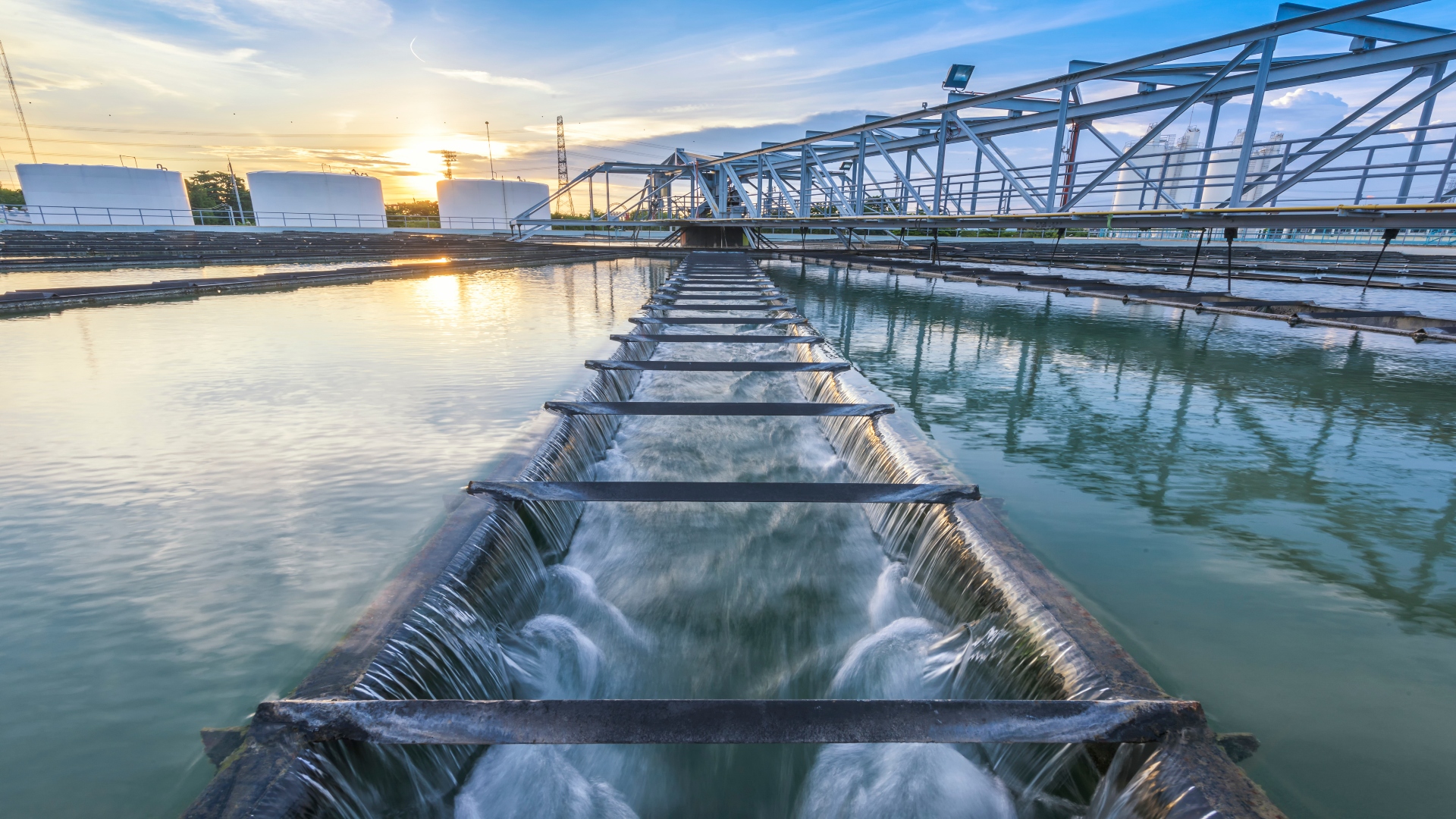
Before wastewater can be discharged, it must undergo stringent treatment to remove pollutants. This process involves several stages, including clarification, biological processes, filtration, and disinfection. The reliability of the treatment process is vital to minimize the environmental impact on receiving waters.
Durable water treatment components can withstand heavy use, while online analyzers enable proactive maintenance to avoid upsets. Automated controls are also in place to maintain proper treatment levels at all times, ensuring the discharged water meets regulatory standards.
3. Enable Proper Waste Disposal Through Efficient Handling
Safe disposal of hazardous wastes is another critical aspect of environmental protection in industrial facilities. These facilities rely on storage tanks, containers, and conveyance systems to collect and transfer materials with containment. The equipment used for waste handling is chemical-resistant and built to stringent standards to enable reliable operation without leaks and spills.
Monitoring systems for tank levels and system pressure are used to catch potential failures early, preventing environmental contamination. By ensuring robust waste handling, facilities can protect the environment and comply with waste disposal regulations.
4. Guard Against Leaks With Double Walled Tanks
When dealing with hazardous materials, it’s crucial to have storage solutions featuring dual-wall construction with leak monitoring. These tanks are designed to prevent inner tank corrosion and failures that could lead to soil contamination.
In case of a leak into the interstitial space between the walls, alarms are triggered, allowing for rapid response. By opting for double-walled tanks equipped with quality monitoring systems, facilities can mitigate environmental release risks.
5. Isolate Incompatible Materials With Proper Secondary Containment
In industrial operations, the handling of dangerous substances requires careful planning. These substances must be segregated from incompatible materials during storage and transfer to avoid potentially hazardous reactions.
High-quality secondary containment systems, such as dike walls and double-walled piping, provide an essential layer of protection. These systems ensure isolation even during leaks or releases, preventing contact between incompatible substances. This proactive approach minimizes risks of fire, explosions, and additional discharges, thereby safeguarding the environment.
6. Maintain Facility Protection With Advanced Seal Systems
Moving on to facility protection, extensive seals and barriers are employed to guard against environmental releases. Regular maintenance, such as quarterly seal inspections and annual upkeep, ensures these remain leak-tight.
Moreover, upgrading to the latest mechanical shoe or magnetic seal systems provides enhanced reliability over older liquid or strip options prone to leaks. These advanced seals better contain risks, contributing to environmental safety.
7. Control Drainage Through Stable Retention Basins
In water management, retention basins play a crucial role. They safely manage stormwater and prevent runoff pollution. Their reinforced concrete designs withstand heavy rainfall and consistent use without developing leaks over time.
Regular inspections for erosion and sediment buildup verify their proper functioning to rating specifications. Through the use of well-built basins, we can control drainage effectively, further protecting the environment.
Final Thoughts
Industrial facilities make significant investments in rugged, reliable pollution control equipment and practices as part of their commitment to environmental stewardship. However, the responsibility doesn’t stop there. Incidents stemming from preventable equipment failures can lead to environmental damage, regulatory violations, and a loss of community trust.
Therefore, it’s imperative to prioritize system dependability. This involves selecting quality units, implementing preventative maintenance, and maintaining vigilance in operations. By taking these steps, facilities can effectively reduce risks and protect our planet.

Stay updated with our latest publications.
Discover Issues
See how we can help you grow in the online space!
Advertise With Us
We can help promote your business.
Find Out More