Mandi Amor on Self-Development, Work-Life Balance and the Power of People Skills
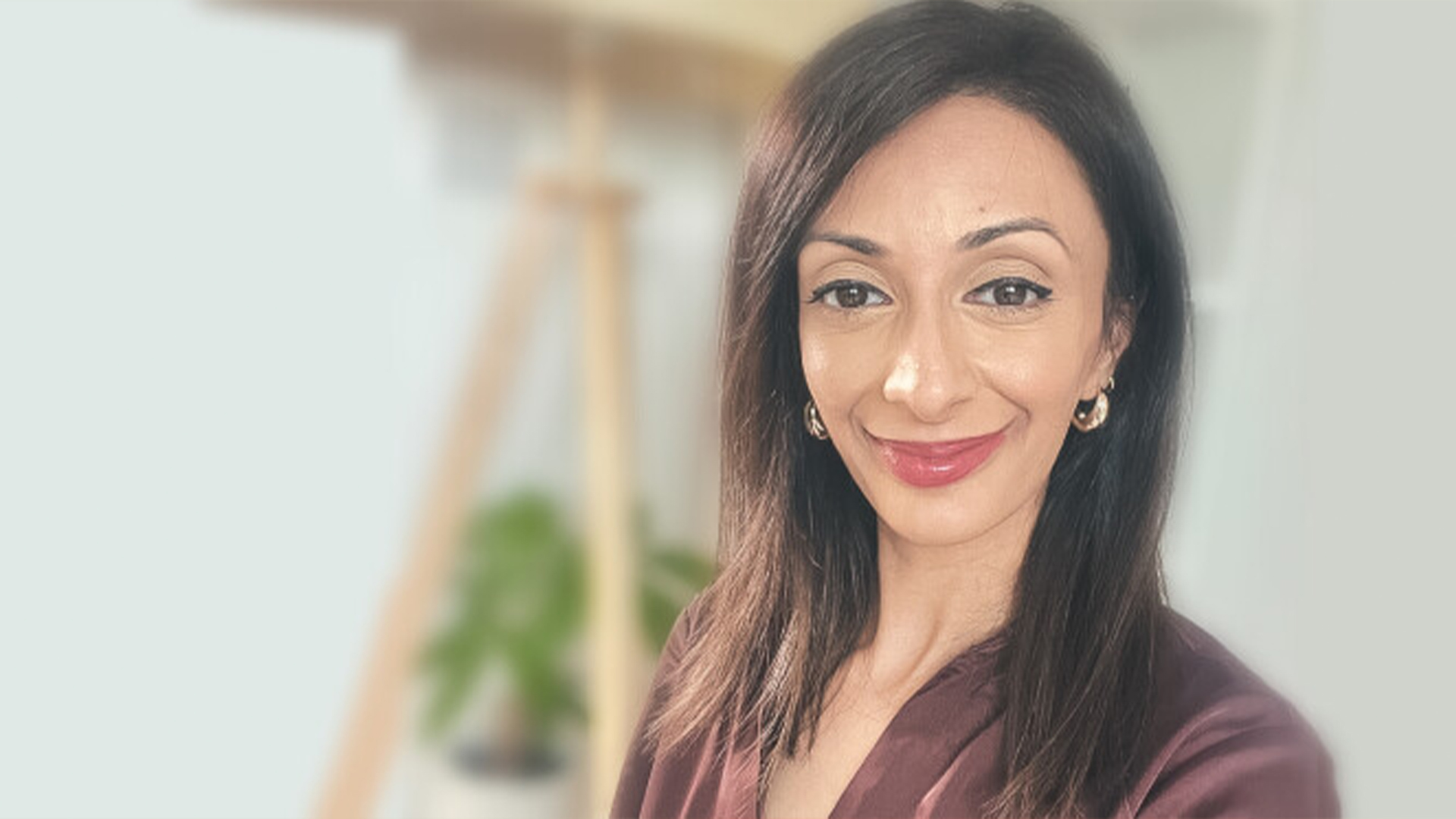
This exclusive interview with Mandi Amor was conducted by Megan Lupton of The Motivational Speakers Agency.
Mandi Amor is an inspiring female inspirational speaker whose powerful journey from adversity to empowerment deeply resonates with audiences across sectors.
As Founder of It’sAmor and a Mental Well-being & Cognitive Performance Expert, she blends academic rigour—a Master’s with Distinction in Organisational Psychology—with lived experience to create transformative, evidence-based frameworks for self‑development and resilience.
In this exclusive interview with The Champions Speakers Agency, Mandi shares her expert insights into building sustainable work–life balance, cultivating unshakeable confidence, and sharpening people skills that drive both personal fulfilment and professional success.
Her message isn’t just motivational—it’s practical, rooted in strategy, and designed to empower real-world change.
Q: Many leaders and employees alike struggle to prioritise their well-being while advancing in their careers. What first motivated you to champion self-development as a key part of workplace success?
Mandi Amor: “So, with the workplace in general, for me personally I would say that my own deep desire and my transformation journey was the thing that kicked that off. When we start working, so for me personally that was age 15, we tend to find that we’re juggling so many things.
“And if we’re going to university, we’re becoming educated. That working and career journey really does set the foundation for all of life’s bigger things. So, relationships, having children, starting families, suddenly, we start to get hit with so many different factors.
“And for me personally, I utilised self-development and a lot of practices to support me on that journey. With my personal story, and just to touch on that a little bit, growing up in a lot of adversity and understanding how to manage overcoming the mental health challenges and balancing well-being in the workplace started to become incredibly challenging.
“I was suddenly put in a position where working life, balancing working life and dealing with some of those experiences of adversity really pushed me to start addressing some of these things.
“So really it actually started by having increased demands put on me, increased responsibilities. We all know the world of work is incredibly difficult to juggle. And that’s where it really started. I didn’t necessarily have external speakers, external facilitators talking about how to build in mental health practices, well-being practices.
“I was kind of, you know, in a position where I had internal training within the workplace, internal support, but very little on that kind of well-being and personal development side. So, it actually came from more of an absence of it.
“So really, I try and fill that gap with what I would have needed to be able to build something now where I can come in and deliver workshops that are based on all aspects of well-being and personal development. So, we actually have the tools ready to support us.”
Q: Work-life balance is often discussed in simplistic terms. From your perspective, what does the science really tell us about achieving and sustaining balance?
Mandi Amor: “So the phrase in general of work-life balance does tend to get oversimplified when it comes to our career, our goals and our personal life. Work-life balance, it does kind of blend through and there are lots of different parallels, but it’s essentially lots of different factors. So, time management being one, productivity being one.
“With my signature framework, which is all about goal setting, even that aspect of work-life balance, it’s really learning how some of these core topics and subjects support us in terms of work-life balance and how we can use some of the most practical hands-on techniques and practical tools to support us in developing work-life balance from a practical side.
“So, for me personally that works for tools like journaling, meditations and incorporating some of the practical tangible measurables that have been seen to have positive correlations to work-life balance in our workday.
“A really common one is journaling, writing things down, and the measurable results when it comes to performance, high performance, success in the workplace, feeling fulfilled, comes a lot from practices like journaling.
“So, when it comes to the science backside, even when we can look at neuroscience and the link between having that relationship built through some of these practices, we can clearly see that humans aren’t designed to be on all the time.
“We’re not designed to not have any recovery time or any periods where we can’t have time to ourselves. Building these practices, but at the same time the reality of work demands us to be on. We have to be productive, we have to be available, we want to be seen to go for the higher promotions.
“So really looking at some of these practices and how they can be built into our work life, as opposed to constantly adding in things that feel unmanageable, is what I’m really passionate about.
“What we’ve also seen is that the science of work-life balance and the link between productivity, which a lot of my journaling and meditations are trying to improve on, is that productivity doesn’t increase with longer working hours.
“When we have better boundaries and stronger focus through having more practices like journaling and meditation, what we can see through incorporating intentional rest is that we feel better supported with flexible working, we have better mental health, and what improves as a result is emotional intelligence.
“Emotional intelligence, which is the foundation of my framework, is how we have better relationships. It’s how we feel fulfilled and purpose-driven in our work. So the productivity side and having the link clearly between boundaries and supporting the overall picture is the science reporting that productivity, with building in these tools, helps us become more emotionally intelligent, therefore having a better balance all round.”
Q: In today’s fast-paced and competitive business environment, why do you believe strong people skills are such a critical driver of professional success?
Mandi Amor: “So, people skills in general is a subject that for me personally I’ve always tried to invest heavily into. When we’re on that journey of exploring kind of unknown territory, like new workplaces, pushing ourselves in our career, we need tools and we really need to understand how to engage with others, how to build better relationships, and how to achieve success purely through other people and being able to communicate and engage effectively.
“I was that person where I’d always be watching YouTube videos, I’d be reading so many personal development books because for me fundamentally working with other people, being able to engage with others in an authentic manner, comes through having incredible people skills.
“And as somebody from a background where I did struggle with periods of feeling unfulfilled, mental health challenges through my struggles and overcoming adversity, I always tried to factor in these practices to be able to engage with others in a way where what I had been through wasn’t a representation of what I’d seen in my childhood.
“So, I think for me learning the practical skills of how to relearn how to trust in humanity, engage with others because the world is a safe place, was fundamental. It’s actively something I teach and train on. I come from a background where my relationship with adversity and feeling safe in the world was quite damaged in terms of growing up in a violent home, having a caregiver that was not safe.
“And I think when it comes to people skills with others, we’ve all been through traumatic experiences to a certain extent. People skills, and that can be anything: broken down relationships, challenges with co-workers.
“We’ve all got some level of ways that we can improve relationships with others based on how much, quote unquote, baggage or personal experiences we’ve gone through. So, for me it’s played such a huge role in getting the career milestones that I’ve gotten, the relationships, the success in my business.
“It’s all come through dealing with others and having tools in place, tools to hand, because it’s not always natural to us how to get the results that we want. So, people skills and having practical tangible tips to hand is fundamental to how I’ve succeeded. And I have lots of tips and nuggets around that in my framework as well.”
Stay updated with our latest publications.
Discover Issues
See how we can help you grow in the online space!
Advertise With Us
We can help promote your business.
Find Out More