From BBC to Disruptive HR: Lucy Adams on Why Old Leadership Models No Longer Work
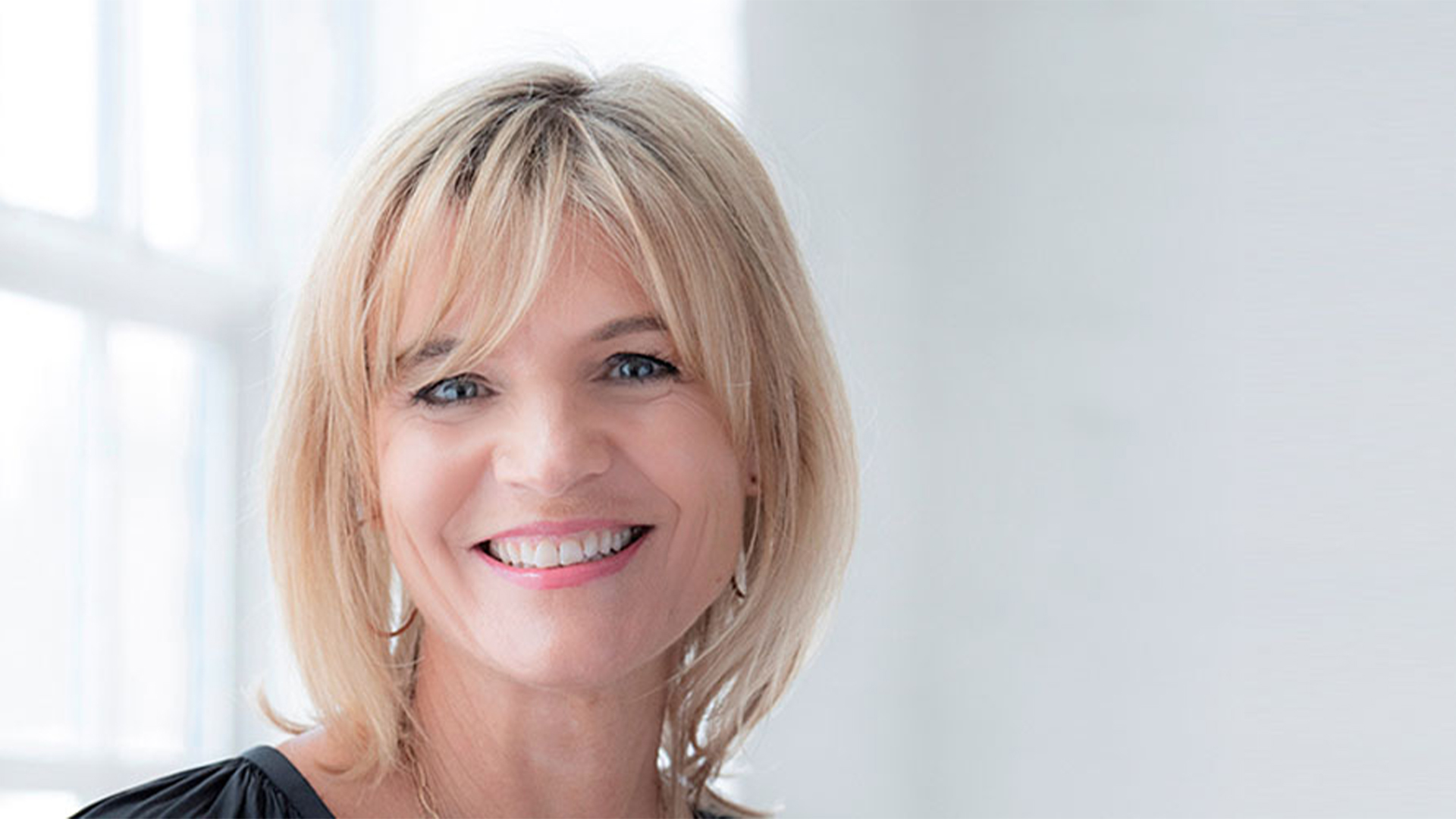
This exclusive interview with Lucy Adams was conducted by Roxanna Hayes of The Motivational Speakers Agency.
Lucy Adams, former HR Director at the BBC, is one of the UK’s most influential voices in Human Resources (HR). Having steered organisations through intense periods of change and public scrutiny, she has seen first-hand why traditional HR approaches are no longer fit for today’s disrupted world.
Now CEO of Disruptive HR, Lucy is reshaping how businesses think about people management—challenging outdated practices and helping leaders adopt more agile, human-centred ways of working. Her work has influenced HR teams across global corporations, public services, and start-ups alike.
In this exclusive interview with The Motivational Speakers Agency, Lucy Adams explains how leaders can manage crises with authenticity, adapt to constant change, and empower their people to thrive in uncertain times.
Q1. During your time at the BBC, you navigated periods of immense disruption. What did those experiences teach you about how HR must evolve for a changing world?
Lucy Adams: “The BBC, when I was there, and like any organisation, continues to go through unbelievable levels of change and disruption. I think one of the big learnings during my time there was that traditional forms of leadership or traditional forms of HR just can’t keep up with the demands of a disrupted world, with an organisation that is going through the levels of challenge and disruption that we were facing.
“The first thing for me was a kind of wake-up call that the stuff that I’d believed in for decades, and the stuff that I’d been telling leaders for decades, actually maybe it’s never worked — but it certainly stopped
working as effectively because of the nature of the changes we were going through, whether it be digital, changing workplace expectations or financial challenges.
“How it evolved was to really crystallise some thoughts that I’d had for some time, which now form the basis of the work that I do with clients. It’s about challenging some of those assumptions. For example, most organisations are incredibly parental — the BBC was incredibly parental.
“We had the caring parent; we had the critical parent. Actually, if we’re going to equip our people to cope with change, to cope with a disrupted world, to cope with the challenges out there, we have to work with them as if they were grown-ups.
“As if they are capable of knowing what’s right for them, as if they are capable of being trusted to deliver, trusted to work in ways that work for them. Moving away from this nursemaid, compliance officer approach and instead being much more adult-to-adult in how we deal with people — in how we communicate, in how we develop them, in how we manage their performance.
“That would be one of the key learnings for me: the old stuff isn’t working, and we need a fresh approach to HR and people.”
Q2. Crises often expose the weaknesses in leadership. From your perspective, what should executives do differently when leading through difficult times?
Lucy Adams: “There’s loads of stuff about crises, and I’ve been through my fair share — it kind of goes with the territory if you work at the BBC that you’re going to go through crises. I think there are a number of things, and I’ll focus on leaders rather than what the wider organisation needs to be doing.
“First of all, it’s about showing up and being present, being visible. I noticed that whenever a crisis hit at the BBC, you couldn’t find a leader for love nor money.
“They would go into the work, or steer clear of people because they didn’t have answers to give them, or because they were going to have to have uncomfortable conversations, giving people information that perhaps they knew was going to make them unhappy. But that’s just part of the job — it is about being there when it’s uncomfortable.
“I remember when we were going through some redundancies, and one of the leaders I managed to persuade to front it up and give the news said to me, “Right, I’m just going to disappear for a while.” It was like, no — you need to go around and stand at people’s desks, and you need to take it. Unfortunately, that’s what being a leader is about.
“There’s loads of stuff on communications — don’t let there be a void, because in the void will come rumour, misinformation. Even if you haven’t got anything to tell people, it’s about giving them an update, being clear about what you can tell them, what you can’t tell them. That honesty, that authenticity — people pick up on that really quickly.
“The third thing I would say is don’t resort to PowerPoint decks and data, which tends to be where we go because we feel it’s objective, safe, informative. Actually, what people need in a crisis is a sense of you as a human being.
“They want to know how you’re feeling, they want to know what your reactions are. I think you can be a bit freer — you don’t have to follow the script from internal comms. Expressing your own reservations or fears or anxieties actually can build up trust.
“That showing of humility — if you’ve got something wrong, or if you feel it could have been handled differently — just acknowledge it. We don’t have to go into this role of superhero, resilient leader that knows more and is bigger, stronger, longer than everybody else. I think COVID, for all of its horrors, actually showed leaders in a much more human light, and that did a lot of leaders a lot of favours.”
Q3. Large-scale transformation programmes are common, but often fail. In your view, what should be the first priority for organisations when facing significant change?
Lucy Adams: “Change management is a huge topic, but from my own experience organisations tend to go about facing change in ways that don’t actually work. For one thing, we tend to address it through a large transformation programme.
“We had one at the BBC called Delivering Quality First — it had multiple work streams, it was centrally controlled, it had a project plan. Actually, everyone just felt exhausted and confused. Centrally controlled transformation programmes rarely deliver.
“What does work is setting some clear outcomes that you’re expecting from people — what are the outputs, what are the results? — but allowing people the flexibility, the autonomy, to get to those outcomes in ways that work for them. You might also find that you get greater levels of innovation that way, rather than prescribing what it’s going to look like.
“The second thing is reducing change down into small elements. It doesn’t have to be a big transformation programme — it’s about small, incremental changes. If we’re faced with something that feels hugely time consuming, with multiple actions, our inclination is to opt out.
“But if we’re asked the question, “What’s the one small thing you could do?” — and we can put it into practice, and it maybe takes five minutes — it builds our confidence, it doesn’t take a huge amount of time, and we can continue focusing on the day job. That way, we can start to build change.
“There’s also understanding people’s reactions to change. Most people react badly because they’re frightened: frightened of losing their status, can’t cope with uncertainty, worried about losing autonomy, or don’t know the people they’re working with.
“You have to give people time to process that — it isn’t going to happen automatically because we’ve sent the newsletter, added in some financial incentives and some training.
“This is where line managers come in — understanding how each one of their team are going to react, what buttons to press, which ones to avoid, knowing them as a human being. Change can’t be mapped out on a Gantt chart with a beginning, middle and end.
“It’s more fluid, more personal than that. Line managers really understanding what makes people tick and helping them to adapt and adjust is where it’s at.”
Q4. You’re a highly sought-after speaker. What are the key takeaways you want leaders and HR professionals to leave with after hearing you speak
Lucy Adams: “What I hope is, whether the audience is made up of business leaders or HR professionals, that they get both inspired to do things differently and that they walk away with two or three really practical things that they can put into place almost immediately.
“I pride myself on that mixture of inspiration and action — inspiring, provoking, challenging, but also exciting and energising people. Then giving them tangible things they can take away and put into practice — that’s what I like to achieve.”

Stay updated with our latest publications.
Discover Issues
See how we can help you grow in the online space!
Advertise With Us
We can help promote your business.
Find Out More