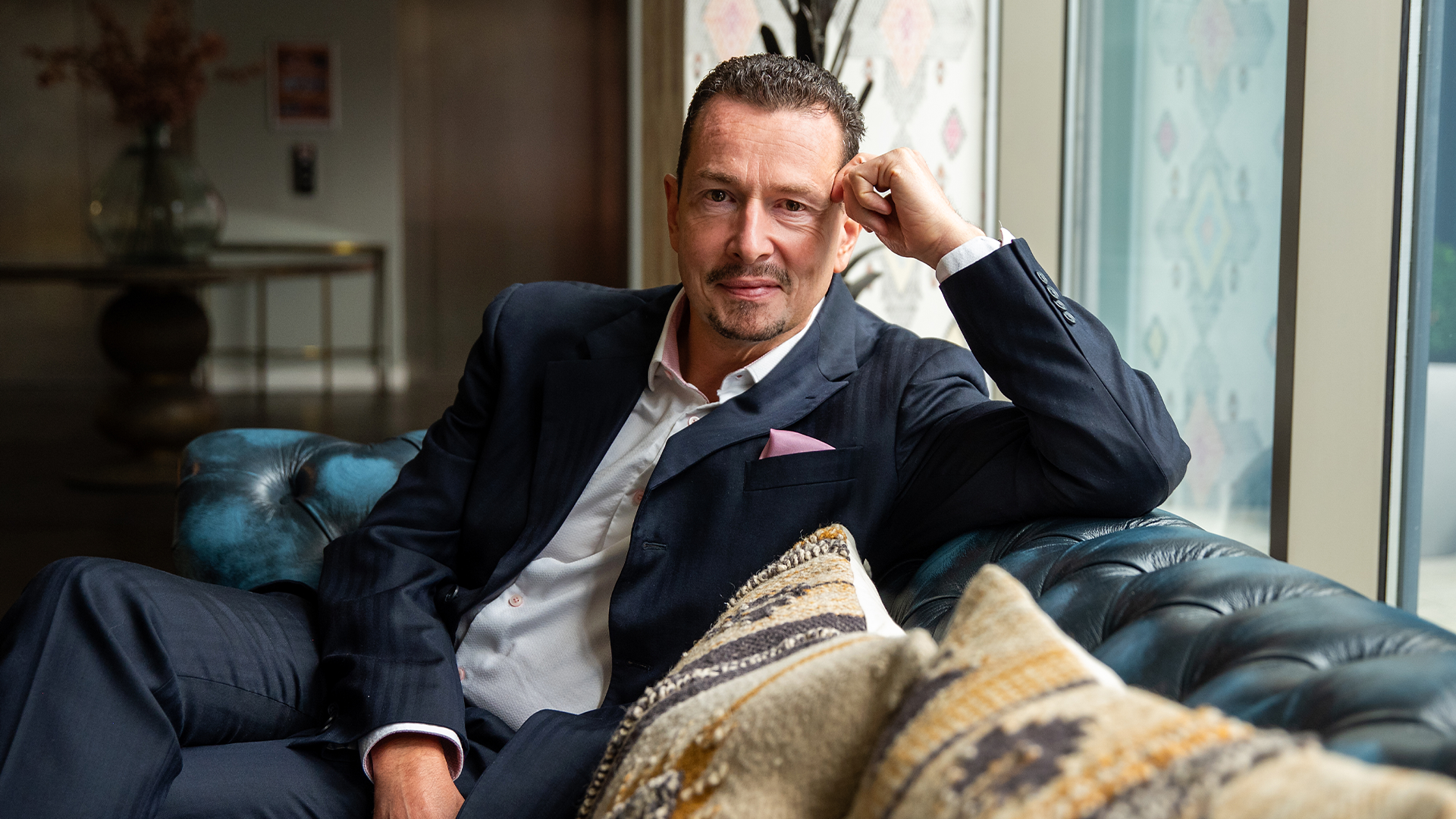
Beyond the Exit: Building Businesses That Outlast You

By Serge Santos CEO of Funding Alternative Group
Twelve years ago, a conversation with a fellow founder exposed a mindset that still dominates much of the startup world: build fast, sell quickly, cash out. He was burned out, overwhelmed and clinging to the idea of an exit as the only viable reward for his effort. When I asked why that was the end goal, he looked at me blankly and said, “Because that’s how it works.”
That answer stuck with me because it showed how unquestioned the logic of the startup treadmill had become. The default script says founders should race to scale, sell out quickly and treat the exit as the only true measure of success – only then figuring out what to do with their lives later. But what if that entire idea is flawed?
Over the past decade, I’ve taken a different path based on sustainability, control and long-term value creation. Here’s what that shift has taught me.
Stop chasing the exit. Start building for legacy
The exit-focused mindset is baked into startup culture, but you need to ask yourself: what happens after the exit? Do you suddenly become free and fulfilled? Often, the answer is no. More often, founders feel lost.
A business should give you more than a payout. It should give you purpose, freedom and the ability to create value over decades.
When I launched my first industrial company in 2017, I didn’t build it to sell. I built it to last, and it still pays the bills today. That cash flow gave me the freedom to launch a financial services company in 2021, and soon, I’ll launch a third: a SaaS distribution platform for manufacturing. Each venture strengthens the other, and that is legacy in motion.
Prioritise sustainability over growth at all costs
Growth is seductive – it makes headlines and attracts investors. But growth without profitability is like building a mansion on sand.
In today’s climate of higher interest rates and tighter capital, profitability and resilience, cash reserves and ability to operate without outside capital, not inflated valuations, are what keep you alive.
Too many entrepreneurs build to impress investors instead of building to endure. That’s a dangerous game. Build something that feeds you, protects you and earns you the right to grow on your terms.
Make yourself redundant
One of the best things I ever did was remove myself from the day-to-day operations. It didn’t happen overnight, but the moment I became non-essential to the daily machine, I gained more time, perspective and freedom.
Today, I run three companies, each with its own leadership team. I still hold control, but I choose my level of involvement. That’s the goal. You want to own the engine, not always be under the bonnet.
Businesses that run well without you are ultimately worth far more, both to you and to any future buyers, should you ever choose to sell.
Like any well-designed system, a business should run on its own momentum. Your job is to set the trajectory, not constantly tighten the bolts.
Build a buffer before you scale
Entrepreneurs love momentum, but scaling too soon is one of the most common causes of collapse.
I only launched my second company once the first was profitable, no longer dependent on me and sitting on healthy cash reserves. That buffer gave me the confidence to take calculated risks without risking everything.
Disciplined scaling rarely makes headlines, but it’s the quiet strength that separates survivors from casualties when markets turn.
Diversify like an investor – because you are one
Investors diversify to manage risk, yet founders often put everything into one venture, betting the house on a single outcome. Why is that?
As a founder, you’re not just building a product, you’re building an investment portfolio. Your time, energy and capital are assets, so spread them wisely.
Diversification isn’t just for Wall Street, it‘s how founders protect their time, energy and capital. By treating each venture as part of a portfolio, you build durability into your career, not just your company.
That’s what I’ve done through Bedrock Entreprises. Each business feeds the next, shares knowledge and opens new doors. You don’t need 10 companies – you just need enough diversity to weather storms and compound strength.
Zoom out and play the long game
It’s easy to get trapped in the daily grind of solving problems, managing crises and putting out fires. But if you never zoom out, the next fire might not just burn your plans, it might burn down the whole business.
Stepping back gives you strategic clarity. It helps you see patterns, avoid emotional decisions and make moves that serve your 20-year goals – not just your two-week problems.
Forget the five-to-10-year exit horizon. Build to last, to feed your family and to leave something behind.
Final thoughts
I didn’t start with a blueprint – just conviction and a willingness to learn through action. Twelve years later, that approach has resulted in companies that generate income, build wealth and provide long-term freedom.
The obsession with exits has created a narrow definition of success in entrepreneurship, but building for longevity offers control, resilience and the ability to create lasting value beyond a single payday.
The founders who shape industries aren’t racing to cash out – they’re building systems designed to endure.
Founders who chase exits may make quick money, but founders who build legacies create lasting value – for themselves, their teams and their industries. In physics, energy doesn’t disappear – it transfers and transforms. The same should be true of the businesses we build – what you create should outlast you.

Stay updated with our latest publications.
Discover Issues
See how we can help you grow in the online space!
Advertise With Us
We can help promote your business.
Find Out More