Baroness Ruth Hunt: Why ‘Deeds and Words’ Must Shape the Next Era of Inclusion
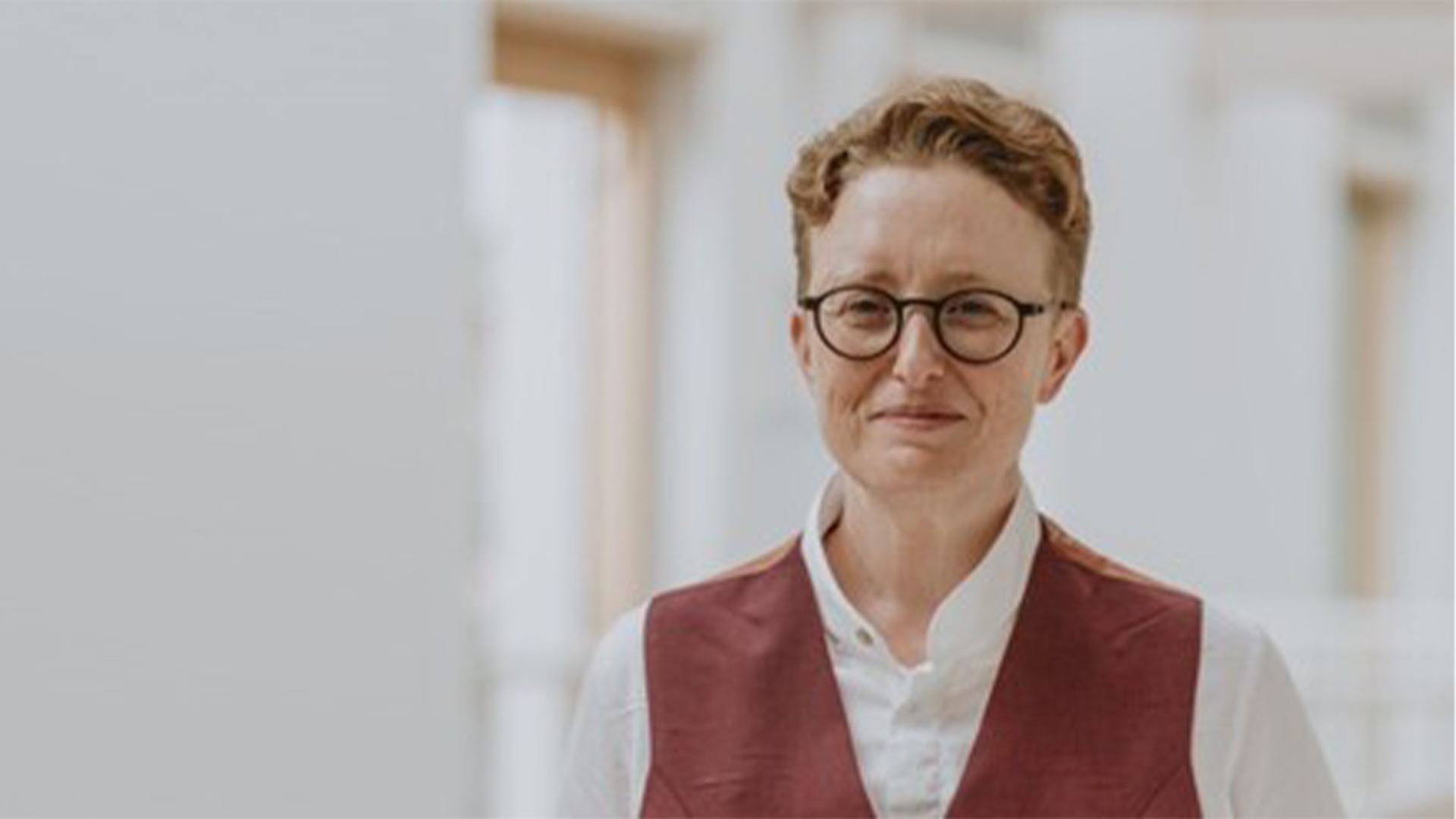
This exclusive interview with Baroness Ruth Hunt was conducted by Megan Lupton of the Motivational Speakers Agency.
Baroness Ruth Hunt is a leading diversity & inclusion speaker and former chief executive of Stonewall — the largest LGBT+ equality charity in Europe. During her tenure at Stonewall, she steered the organisation through transformative years of social change, broadening its remit to champion the rights and inclusion of lesbian, gay, bisexual, trans and non-binary people across the UK and beyond.
An Oxford graduate and former president of the Oxford University Student Union, Ruth co-founded Deeds and Words alongside her partner, bringing together her vast experience in equality, policy and workplace culture to help organisations build inclusive environments rooted in shared purpose and respect.
In this exclusive interview with the London Keynote Speakers Agency, Ruth reflects on what motivated her lifelong commitment to equality, how businesses can embed authentic inclusion in their culture — and why the combination of deeds and words remains vital for lasting, meaningful change.
Question 1. What first motivated you to establish Deeds and Words, and how did the idea take shape?
Baroness Ruth Hunt: “Well, it was it was something that my partner Caroline was already working on. So, so me and Caroline met in 2008 when I was working at Stonewall and we worked really closely together on the personal and professional development elements of Stonewall: the leadership programmes, the role model programmes, allies, the work we did with teachers, you know, all those kind of different programmes. Then we fell in love.
“So, Caroline left Stonewall and set up a business called Deeds and Words, and I joined her once I’d finished at Stonewall. So, we really wanted to bring our magic back together, like we’re a really good combo in life and work and wanted to really use our business to really achieve positive working cultures in organisations, have a strong sense of shared purpose.
“So that doesn’t necessarily… we do lots of government, we do lots with, you know, we work with a building society for example or the Co-op, so organisations that have a strong sense of what they’re about and really helping staff in those organisations find their connections. So, so we love it and Deeds and Words is a great way of doing those things.”
Question 2. In your view, why must meaningful action and thoughtful dialogue work hand in hand to advance equity and inclusion?
Baroness Ruth Hunt: “Well, it’s a great question and actually the reason why we called ourselves Deeds and Words is we were inspired by the suffragette movement and of course the slogan at the time for the suffragette movement was “Deeds not Words”. And it’s because they’d reached a stage of such sheer frustration with words that they felt that the only answer to achieve the vote was deeds.
“And I think that what we see is that that’s incredibly important, that you need deeds, but you do also need words and it’s the combination of the two. And what we specialise in at Deeds and Words, and during any talks I give or keynotes and things like that, is about creating the space for people to talk to each other and reflect on what it is they might do.
“Because I think what we’ve learned over decades is that telling grown-ups what to do doesn’t work. You have to create the space where they can talk to each other, reflect, think, find its personal relevance and then find the deeds. And what that does take some words, takes some space.
“So inspired by the suffragettes a bit, so Deeds and Words is our kind of motto and go-to way of thinking about these things.”
Question 3. Reflecting on your tenure as CEO of Stonewall, which achievement stands out as the most significant for you personally?
Baroness Ruth Hunt: “Well, I worked at Stonewall for 14 years and was CEO for five, the last five years of that. And during that time… I started at Stonewall when I was 24, I became CEO when I was 34. So that was quite a decade of significant change for lesbian, gay and bi people, and lots of legal changes and social changes.
“My role as a more junior member of staff was to change hearts and minds. Changing the law was one thing; how do you change hearts and minds? But what I was acutely aware of when I took over as CEO was that there were lots of parts of our communities that were left behind, most notably for Stonewall, trans. So, Stonewall didn’t cover trans in the early days and that changed when I came in.
“But also: how we talked about people of colour; how we talked about people from lower-income backgrounds; how we supported people in other countries; how we could use Britain’s power and soft diplomacy to help those activists in those countries move things.
“So, I think my proudest achievement was broadening out Stonewall and looking beyond our peripheral vision to really help organisations think differently. And during my time we worked with over 800 companies, organisations, businesses, public sector bodies, helping them start the journey of understanding trans and understanding the way in which they could make provision for their trans and non-binary staff. It was just inspiring and wonderful.
“And I do think that employers have such a key role to play in both creating that inclusive environment for marginalised communities but also sending a signal to wider society and communities about acceptance without exception.”
Question 4. Based on your experience, what should businesses prioritise to build genuinely inclusive environments for their LGBTQ+ employees?
Baroness Ruth Hunt: “Well, it’s the burning question. And in my… you know, I’ve been working on inclusion in employment since 2001 really, do you know what I mean? It’s been my career for all my life. Even as president of the Students’ Union in Oxford, we were asking those questions in 2001. And as the first openly lesbian president of the Students’ Union, I had a responsibility then.
“And I think in all that time the thing I’ve learned is that the very best organisations who really grasp this and have an impact are those that align it with organisational purpose. So those who keep it as something separate on the left-hand side of the desk – a soft thing, a nice PR thing or a CSR thing – tend to not make much traction.
“Those who say, “Right, we are in the business of selling phones; we are in the business of selling food; we are in the business of keeping the country safe in the Armed Forces – why do we need inclusion to achieve that?”
“And of course, those who sell the phones go, “Well, we know that our customers come from a range of different backgrounds. We can’t all look the same if we’re going to sell.” Those who are producing food say, “We have to be able to give customers what they need in terms of food. We don’t know what Tower Hamlets needs because we’re all white people; we need to employ some people who actually know what people in Tower Hamlets need.”
“And for the Armed Forces it’s very clear that a mix of minds, different perspectives, genuinely improves the execution of an operation.
“So those who truly grapple with that question link it to their absolutely business-orientated risk register, their business operations, their business objectives, yield greater results. They might do less – they might have fewer events, fewer banners, fewer rainbows – but the impact of what they do is far more significant.
“The second variable is those who support their staff to be part of that change, where cultural evolution is not just left in the hands of the equality and diversity or the HR director, but everybody at every grade does something. So, the receptionist has pronouns on their badge, the person who welcomes you into the door knows how to welcome you if you’re in a wheelchair, as well as the CEO recognising the inequalities that women might be experiencing within their ranks.
“So, it takes everybody taking a different view on this stuff to really make an impact.”

Stay updated with our latest publications.
Discover Issues
See how we can help you grow in the online space!
Advertise With Us
We can help promote your business.
Find Out More