4 Unique Challenges of Trading in the EU
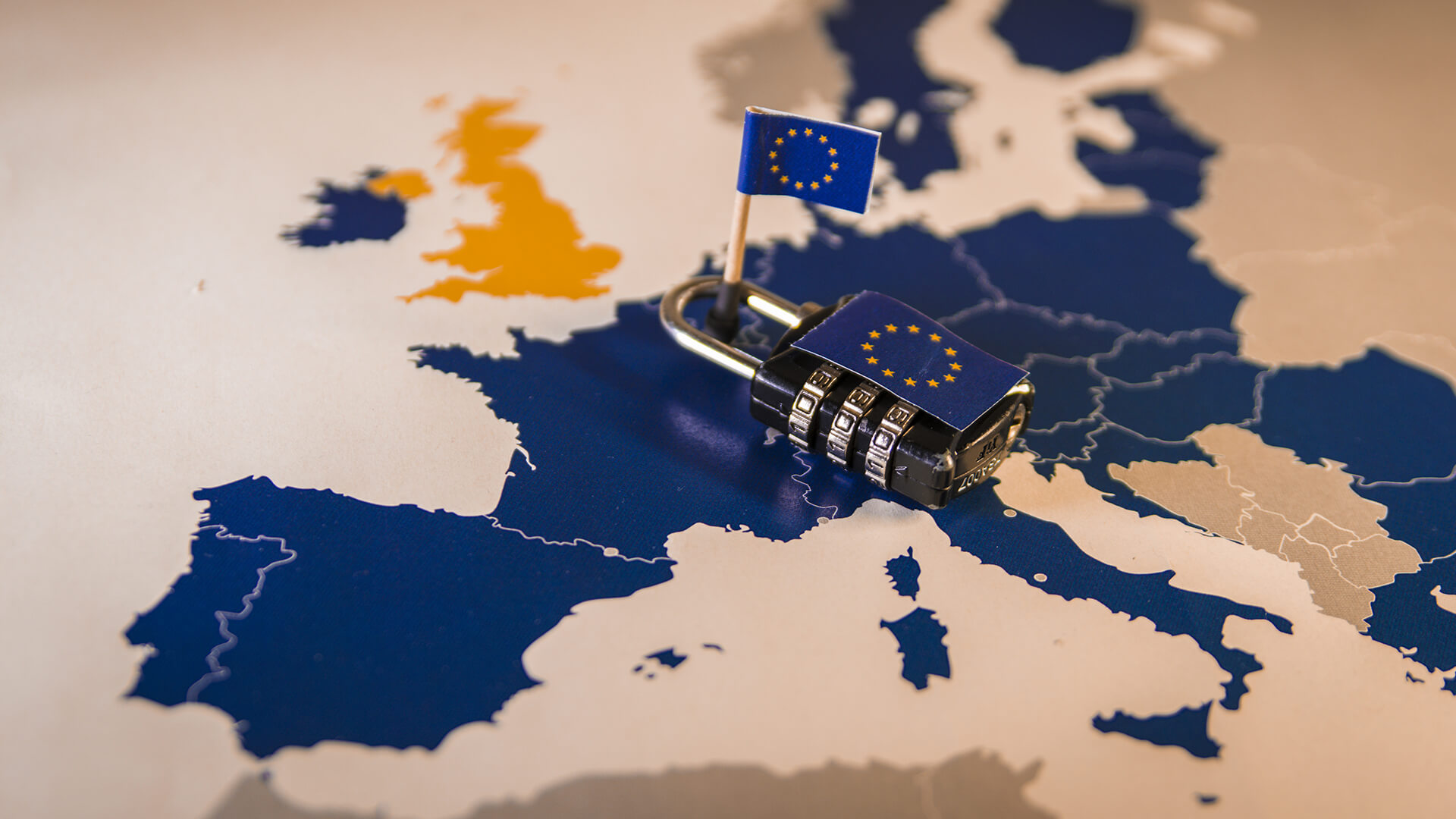
In January 2020, the UK officially exited the EU, but they remain in a transition period until the end of December 2020. During this time, UK businesses are expected to continue to follow EU rules and the UK Prime Minister will work hard to try and negotiate a trade deal. This is essential if the UK wants to continue to trade with the EU without quotas or tariffs. If the UK does not reach a deal, then their goods and services would be subject to tariffs until a deal is agreed.
For businesses who are considering expanding globally, the EU is hard to beat. Not only is it the biggest single market in the world (with over 500 consumers) but it’s also geographically well located and has good rules and regulations in place. But there are a few things you need to think about before you consider trading in the EU. Here are some of the main issues you should keep in mind before you get started:
1. The EU is Well Regulated
Brussels is well known for being over-bureaucratic. Businesses often find it hard to stay up to date with the latest rules and regulations of the EU. This is because they’re constantly changing or being updated. These are some of the regulatory changes that businesses need to be aware of when doing business in the EU:
- Ringfencing in the UK
- Payment services directive
- General data protection regulation
- Markets in financial instruments directive
Knowing and understanding the rules and regulations of the EU is key if you want to successfully expand your business in one of the EU countries.
2. International Accounting is Difficult
One of the main areas to think about when it comes to trading in the EU is business tax compliance. Different tax systems, compliance requirements and rates can make the accounting section of a worldwide business extremely challenging. Without trained and experienced experts at your side, understanding tax legislation can be an overwhelming and confusing experience. Visit https://www.goodmanjones.com/blog/ for more information. They will help you to take advantage of the tax reliefs that are appropriate to your business e.g. multiple dwellings relief.
3. The Financial Crisis
The EU has still not recovered from the 2008 financial crash, and while Greece is slowly starting to emerge from recession, other countries aren’t so lucky e.g. Portugal and Italy. Even France (the biggest member of the EU after Germany) has problems with an outdated social work contract.
4. Capital Accounts
Most EU countries require businesses to open a capital account. They also expect businesses to invest a minimum subscribed capital in order to set up an EU entity. This must be done before a current account or a demand deposit account is opened. All EU countries will have different requirements and thresholds depending on the type of business you want to set up. Businesses should consider working with legal professionals in order to set up their entities as they can assist you through the referral programme.
On 31st October 2019, the UK made the huge decision to leave the EU. This has caused a number of problems for UK businesses who want to continue trading or are interested in expanding their business in the EU. Make sure you understand the challenges of trading in the EU before you expand.

Stay updated with our latest publications.
Discover Issues
See how we can help you grow in the online space!
Advertise With Us
We can help promote your business.
Find Out More