What Entrepreneurs Can Learn from Dogecoin’s Unlikely Success
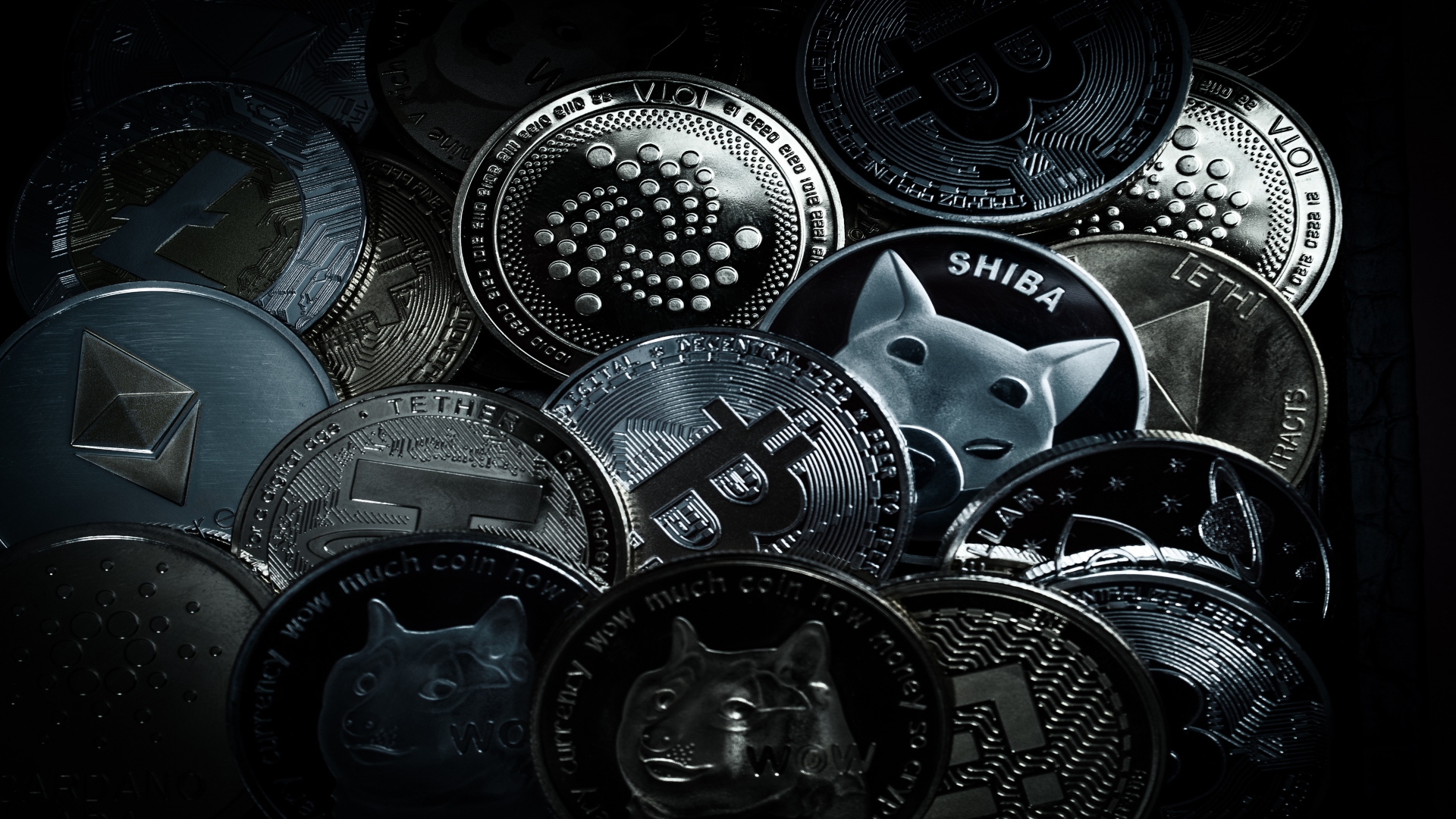
If someone had suggested in 2013 that a cryptocurrency inspired by a Shiba Inu meme would become one of the most recognized names in digital assets, most people would’ve laughed. That’s exactly what its creators expected. Instead, the project took on a life of its own, and today millions of people track the Doge / USD market just as they do many other established cryptocurrency trading pairs.
For entrepreneurs, that’s the interesting part. Dogecoin isn’t simply another cryptocurrency. It’s a reminder that ideas don’t always succeed for the reasons their creators imagined.
An idea that was never supposed to be serious
Billy Markus and Jackson Palmer didn’t set out to build the next Bitcoin. Palmer had joked online about “investing in Dogecoin” after seeing countless new cryptocurrencies appear on the market. Markus liked the idea, reached out, and together they built the project using Litecoin’s open-source code. Dogecoin launched officially in December 2013. And quickly gained attention online.
While many projects promoted complex technology and ambitious financial goals, Dogecoin leaned into humor. The familiar Shiba Inu meme became its logo, and the community embraced a playful personality from the very beginning. It would’ve been easy to dismiss. And many people did. Yet sometimes being approachable is exactly what helps a product stand out.
Entrepreneurs spend plenty of time thinking about differentiation. Dogecoin achieved it without expensive campaigns or carefully crafted messaging. It offered something people hadn’t seen before, which is often harder to create than it sounds.
Consumers are surrounded by products competing for attention every day. Familiar ideas often blend together, while something unexpected tends to stick. Dogecoin did exactly that.
People shared Dogecoin because they found it funny, not because they were encouraged to. Every meme, tweet, and online conversation introduced someone new to the project. Long before brands chased viral marketing, Dogecoin was spreading naturally through internet culture.
Instead of fading away after the novelty wore off, the community kept growing. Within months, Dogecoin supporters had raised funds to help send the Jamaican bobsled team to the 2014 Winter Olympics after the athletes struggled to cover travel costs. Later that year another campaign, Doge4Water, raised money to help fund clean water projects in Kenya. Those fundraising efforts changed how many people viewed the project. What looked like an internet joke suddenly had a real-world impact.
Customers remember experiences they can be part of. Dogecoin’s technology mattered, but its community became its biggest asset. That’s a combination many companies spend years trying to build.
Why simplicity helped Dogecoin stand out
Another interesting part of the story is how little Dogecoin tried to become everything at once. Its purpose has always been relatively simple. The network allows people to send digital payments quickly and inexpensively. According to Binance Academy, Dogecoin uses a proof-of-work consensus mechanism with the Scrypt hashing algorithm inherited from Litecoin, with blocks confirmed roughly every minute.
Sending small amounts of DOGE has remained inexpensive over the years, which is one reason it found a place in online tipping and other low-value transactions where higher fees would’ve made less sense.
That simple approach is refreshing. Plenty of businesses fall into the trap of adding feature after feature, convinced that “more” automatically means “better.” Customers don’t always see it that way.
Dogecoin also made an unusual decision early in its development. Rather than introducing a fixed maximum supply, the project removed its original cap and has issued roughly 5.256 billion new DOGE annually since 2015. Binance Academy explains that this approach was designed to keep miners incentivized while supporting DOGE’s use as a payment currency rather than focusing only on scarcity.
It wasn’t the same route many other cryptocurrencies were taking, but it matched the purpose the project had carved out for itself. Businesses face similar choices all the time. Following the crowd isn’t always the best answer if a different approach better serves the people you’re trying to reach. In hindsight, that decision helped shape Dogecoin’s identity just as much as its branding did.
What entrepreneurs can take away
Fast-forward more than a decade, and the conversation around Dogecoin looks very different.
DOGE is now available on major cryptocurrency exchanges and remains one of the most recognizable digital assets on the market. Development hasn’t stopped either, with the Dogecoin Foundation continuing to support the project. Binance Academy also highlights recent developments, including DOGE’s classification as a digital commodity under CFTC oversight and the launch of a spot Dogecoin ETF on Nasdaq. Neither development would’ve seemed especially likely back when the project was little more than an internet joke.
The biggest lesson from Dogecoin’s story isn’t really about cryptocurrency. It’s about being willing to recognize opportunities that don’t arrive in the expected form.
Many successful companies look very different after ten years than they did on launch day. Products evolve. Markets change. Customers discover new uses that founders never anticipated. Dogecoin followed that pattern.
Its creators didn’t plan for charitable fundraising campaigns, institutional interest or global recognition. Those developments came later because people found value in something that was never originally designed to become a major digital asset.
Sometimes an idea succeeds because it connects with people emotionally. Sometimes a strong community becomes more valuable than a large advertising budget. Sometimes a product stands out simply because it’s memorable.
Dogecoin’s journey includes all three. The story doesn’t mean every entrepreneur should build a meme-inspired company. It does show that unconventional ideas deserve consideration before they’re dismissed.

Stay updated with our latest publications.
Discover Issues
See how we can help you grow in the online space!
Advertise With Us
We can help promote your business.
Find Out More