What CEOs Can Learn from Keith Edelman’s Approach to Leadership and Scale
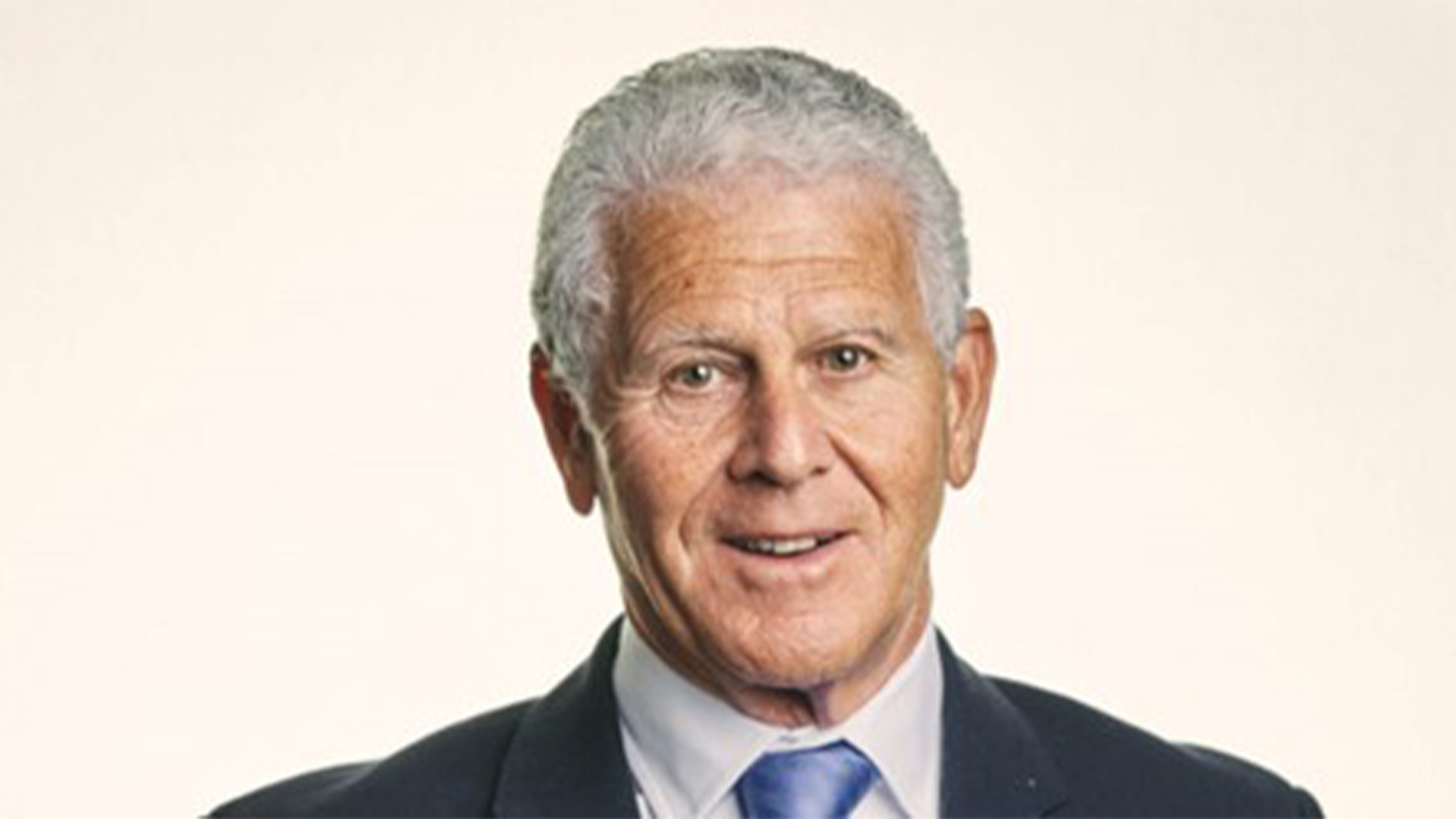
This exclusive interview with Keith Edelman was conducted by Tabish Ali of the Motivational Speakers Agency.
Keith Edelman is a highly respected business leader and leadership speaker whose career spans board-level roles across finance, retail and elite sport. He is best known for his time as Managing Director of Arsenal Football Club, where he oversaw one of the most complex commercial transformations in British sport.
During his tenure at Arsenal, Keith led the club’s move from Highbury to the Emirates Stadium, delivering a £400m infrastructure project that involved land acquisition, large-scale financing and long-term strategic planning. Completed on time and on budget, the project is widely regarded as a benchmark for leadership, governance and execution under pressure.
In this exclusive interview with the Inspirational Leadership Speakers Agency, Keith Edelman reflects on decisive leadership, scaling organisations, and the lessons senior executives can apply when navigating high-stakes change, growth and accountability.
Question 1. As a senior leader operating at the highest levels of sport and business, which leadership principles have consistently driven performance and results, both on and off the pitch?
Keith Edelman: “I think the leadership principles are pretty clear, really, and quite simple. My first principle is to always get a great team of people working around you. Although everyone talks about having great teams, it is quite challenging to make sure that you have a very good team.
“You need to be quite decisive in terms of deciding who stays on your team and who leaves the team, and you have got to be quite vicious at times in terms of deciding that sometimes people have got to exit the team.
“The second principle is really just to delegate. If you have got great people, then you need to let them get on and do the job. You need to let them do the job, obviously with their objectives and their focus all working towards the same strategy.
“The third key element of leadership principles is very fast decision making. I always make decisions very, very quickly. I do not wait around and think about decisions and not make decisions. I always believe that not making decisions is worse than making the wrong decision.
“I will give you one example of that. There was a core bit of the exterior of the Emirates Stadium and we were unsure about whether that was the right treatment. I personally did not like it, and I waited and waited and waited to make that decision.
“Every week that I waited without making that decision, it cost us another £30,000. After four weeks, I decided to make a decision just to go with something which I did not really like, but actually waiting further weeks would have cost even more money. So fast decision making is really important.”
Question 2. You oversaw one of the most complex infrastructure transitions in modern football. From an executive perspective, what were the defining challenges in delivering a project of that scale under financial and operational pressure?
Keith Edelman: “When I arrived at Highbury, I got my induction plan and it was quite a worrying induction plan, really. It basically said, “We do not have any money. We want the stadium to be built about 800 metres away from where Highbury was, but we do not own the land.”
“On this land, there was something called a waste transfer station, which is where the eight councils around Highbury used to leave their rubbish in a very big warehouse. It used to get bulldozed up, put on lorries and taken off to landfill dumps. In addition to this, there were also 150 parking spaces for council vehicles, including many spraying facilities, body work facilities and repair facilities for the vehicles.
“That was the start of my induction. In order to build the final Emirates Stadium, we had to buy an additional 50 acres of land in the middle of Islington, which is no mean feat. We managed to purchase all this land with the help of a brilliant land agent who carried out the negotiations. We had to overpay for certain pieces of land, but we eventually got the land assembly completed.
“To finish the whole project, we had to conduct three huge projects. The first was to build the Emirates Stadium itself. Football stadiums are immensely complex structures, and this was probably the first major modern stadium built in the UK for many years.
“We then had to rebuild the Highbury Stadium into 700 flats, and we had to put in all the transport infrastructure, which included two huge bridges, one of which had to be installed with the biggest crane in Europe.
“The money challenge ran through the whole project. We completed a transaction with Granada where we raised £77 million by selling 10 per cent of the club. Then we had to raise bank facilities, and in total we raised over £800 million of bank facilities over the length of the project. That was quite a challenge for a business that turned over £60 million a year when I joined.
“If we had known how difficult it was going to be, we would never have started it. But we did start it, and we completed it on time and on budget. That is a testament to all the people who worked on the project.”
Question 3. Large-scale projects often fail due to governance gaps, partner misalignment or slow decision-making. What strategic disciplines and leadership behaviours were critical in keeping the Emirates Stadium project on track, on time and on budget?
Keith Edelman: “Many large-scale projects fail and run completely over budget and very late. There are some key principles that I think are very important.
“We took a huge amount of time to choose our partners. When you are completing a large-scale project, you need very good partners working with you. We spent a lot of time carrying out due diligence on all our partners, and more importantly than financial or technical due diligence, we spent a lot of time making sure they were people we could work with, and that they could work with us.
“The second point is staying close. So many people appoint their teams and then disappear into the background. We were in our projects every single day. We were on site at the Emirates Stadium or at Highbury Square, talking to the people building the project and finding out what the problems were.
“We had rigorous formal reviews, including weekly and monthly reviews, but the daily reviews were also important. Walking the sites and talking to the workforce helped us identify issues early.
“The fourth point is quick decisions. Things always go wrong in these projects. I remember one instance where we realised four months before opening that something was wrong.
“We worked out that the media section created 2,500 restricted view seats. The architect did not want to know, so the builder and I worked out a solution ourselves. Within two weeks, the problem was fixed.
“Fast decision making, fast action, being on site, and having great partners are all key to success.”
Question 4. For CEOs and founders focused on scaling their organisations, what are the most common leadership and structural mistakes you see when businesses move from one growth phase to the next, and how should executives prepare for those inflection points?
Keith Edelman: “There are two really big issues when people want to scale their companies. The first is people. You may have great people who helped you get from A to B, but they may not be the same people who can take you from B to C. That is one of the hardest decisions in scaling a business.
“If you are questioning whether someone can do the job, the answer is probably that they cannot. You need to back your judgement and either bring someone in above them or accept that they may need to leave the organisation.
“The second key element is cash and funding. As businesses grow, working capital and investment needs grow too. Many businesses forget to plan their funding properly. You need to speak to your banks, capital funders or equity funders before scaling, not after.
“The third element is strategy. Strategies do not stay constant over time. As businesses grow, strategies must evolve and develop. Those are the three key elements you must get right if you want to scale successfully.”

Stay updated with our latest publications.
Discover Issues
See how we can help you grow in the online space!
Advertise With Us
We can help promote your business.
Find Out More