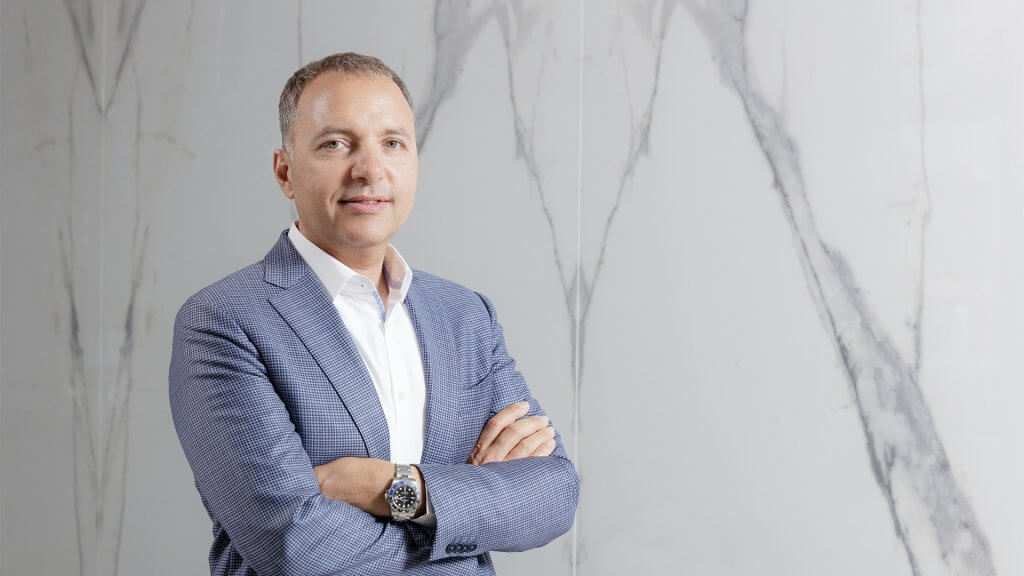
How Top CEOs Approach Calculated Risk Versus Reckless Risk
| Anchor | Australian gear etf |
| URL | https://www.firstsentierinvestors.com.au/au/en/adviser/our-funds/australian-equities/australian-equities-growth/geared-australian-share-fund.html |
| No. of Words | 500 |
| Title | How Top CEOs Approach Calculated Risk Versus Reckless Risk |
How Top CEOs Approach Calculated Risk Versus Reckless Risk

Most CEOs who allocate capital to profitable investments have a clear framework separating considered risk from careless exposure. The difference between a calculated bet and a reckless one lies in the thinking behind the decision, and here is where experienced executives stand out.
1. Starting with the Investment Objective
The first mistake most investors make when entering new ventures or expanding is looking at return potential. Experienced executives begin with a precise investment objective and then ask whether a geared structure actually serves that goal.
This principle applies across all fund and share investments. Before any capital moves, a seasoned CEO wants to know what role the position plays in the broader portfolio and what the intended holding period is. If the answers are vague, the position is premature.
A CEO running a diversified portfolio will treat each new addition the same way they would a business acquisition. They start with a clear thesis and defined exit conditions. Multiple structures might suit a tactical allocation during a high-conviction window. However, without that clarity up front, they function more like a gamble than a strategy.
2. Keeping Investment Proportional to the Bigger Portfolio
Disciplined executives treat each investment position as a small part of a larger strategy when separating calculated risk-taking from overexposure. A well-structured portfolio typically keeps allocations bounded to ensure amplified losses in one position cannot damage the overall book. The rest of the portfolio acts as a stabilising base.
When looking at the broader Australian Gear ETF market, active strategies targeting large ASX-listed companies have grown steadily, with some funds managing hundreds of millions by borrowing at institutional rates to compound long-term market exposure. Institutional managers operating in this space consistently treat gearing as a portfolio component, not a full position.
That proportion-first mindset is not unique to geared ETFs either. CEOs who invest in shares and managed funds understand that no single position, however compelling the thesis, should be large enough to create irreversible damage if it moves against the entire portfolio. That ceiling provides investment discipline, not a limitation.
3. Measuring Downsides Before Chasing Upsides
Serious CEOs do not enter a position without modeling what a bad outcome costs. Leverage amplifies in both directions. A position that doubles gains in a rising market can just as quickly double losses when conditions shift. CEOs who have managed capital through multiple market cycles will stress-test positions against realistic drawdown scenarios before making a commitment.
The downside analysis extends to unique markets like share and fund investing. Before adding a high-growth equity to a portfolio, a thoughtful CEO will look at how much that position loses if the underlying conditions take 12 months to play out than expected, or if broader market sentiment turns negative. Knowing the realistic worst-case scenario is what gives an executive the confidence to hold a position during short-term volatility instead of exiting at exactly the wrong moment.
Endnote
The line between calculated and reckless risk in any investment option is process. CEOs who define the goal first, size positions proportionally, and stress-test the downside before entry are not avoiding risk. Instead, they are managing it with the same precision they apply to every capital decision. That discipline is what turns a new position or expansion into a strategic tool and not a liability.

Stay updated with our latest publications.
Discover Issues
See how we can help you grow in the online space!
Advertise With Us
We can help promote your business.
Find Out More