Holding Out for a Hero – Why You Can’t Save an Organisation Single-Handedly

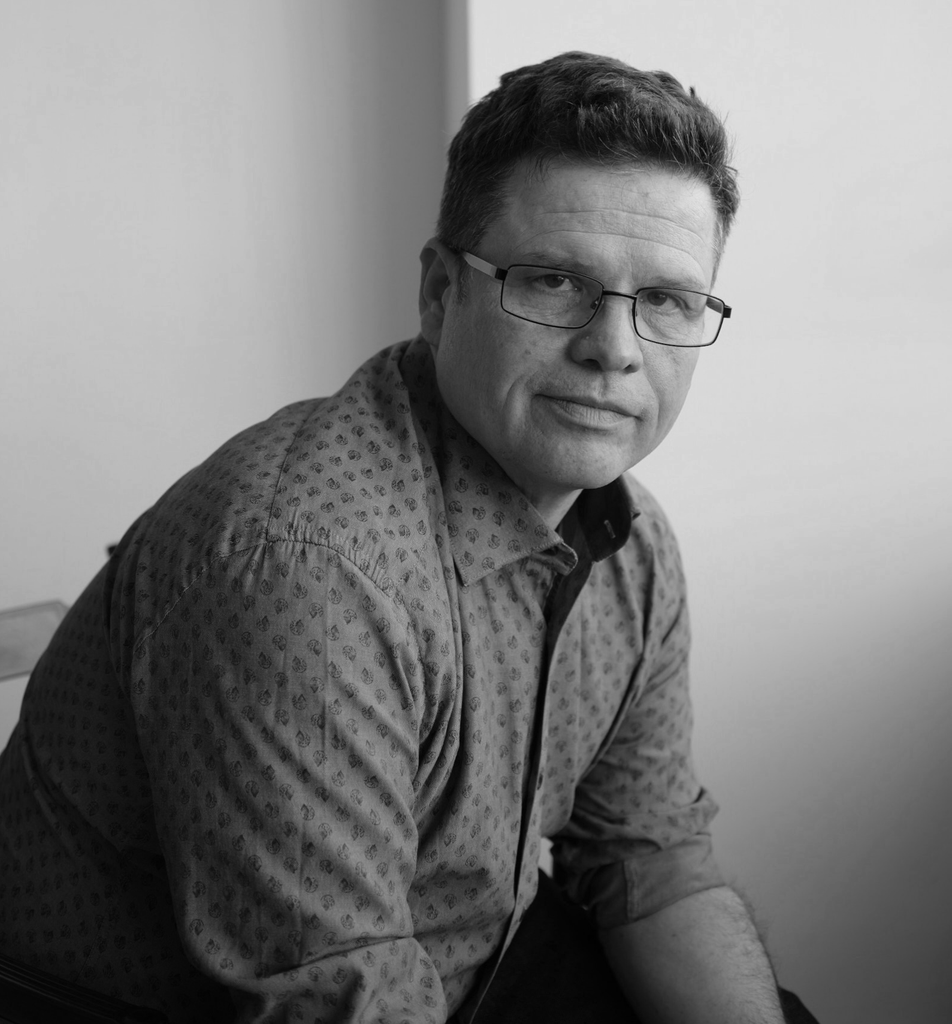
By Steve Hearsum, Founder of Edge + Stretch
The word ‘leader’ is generally used to describe the person in charge of an organisation or group, who guides, inspires, motivates and steers in the right direction. The problem is that we remain – societally, politically and organisationally – wedded to the notion of ‘leader as hero’. This is grounded in the Great Man theory of leadership, and the gender is relevant because the archetypes of what it is to be a ‘great’ leader remain stubbornly male in the main.
The desperate search for a simple answer to business woes – a silver bullet, if you like –sees us hanging on to their every word in the hope they will reveal a magic solution. It’s part of the reason why the podcast. Diary of a CEO, has up to 100 million monthly listeners, according to The Times; why around three million people have a copy of Simon Sinek’s Start with Why on their bookshelf; and why Fortune Business Insights predicts the global corporate leadership training market will exceed $70billion by the end of the decade.
But is it really possible to single-handedly save an organisation from ruin, or are we simply setting leaders up for inevitable failure with our inflated view of their capabilities? Because if we are spending that much money on developing leaders, it seems to be providing pretty poor return on investment.
The fall guy
Many businesses rely on their leader as a figurehead and main voice. The significance of this role grows as a company scales, to the point at which founders of many household brands become modern-day celebrities.
It is unsurprising then, that those same people are so often scapegoated when things go wrong, even if there is clear evidence that the problem extended far beyond their leadership, may be a function of wider systemic factors, or have even pre-dated their assent to the top position.
Recent history is littered with examples: take Martin Winterkorn’s resignation from Volkswagen after the diesel emissions scandal hit the headlines, despite prosecutors later alleging senior leadership knew more than initially admitted, and there were a host of engineering, compliance and governance failures.
Or Tim Sloan’s departure from Wells Fargo because stakeholders did not believe he had made enough progress convincing regulators the bank had improved; he had been appointed just three years previously after his predecessor John Stumpf resigned following revelations that millions of fake accounts had been opened. There were thousands of employees involved, allegedly driven by incentive structures and performance metrics, but Stumpf took the fall.
A person is not an organisation
These examples illustrate the level of accountability leaders are expected to demonstrate, being held responsible for every decision made by every single employee. It seems we expect them to be able to solve any challenge, even those which existed before their time in charge, and this is backed up by research published in the Journal of Economic Psychology which found ‘too much influence’ was attributed to leaders when it came to task outcomes.
It is easy to look back with the benefit of hindsight and critique decisions, but the risk is we overlook that they are just one human being making choices based on the information available at the time, and they don’t have superpowers.
In fact, research published in Long Range Planning concluded the ‘hero CEO’ belief is largely unsupported by evidence, and demonstrated that dominant, charismatic leaders were no more effective at rescuing struggling firms than their less dominant counterparts.
We might reasonably expect them to display certain standards of behaviour, to provide stability and direction, and to build a strong team around them, all of which can certainly help to strengthen a company’s long-term sustainability. But when this tips over into a requirement for omniscience and omnipotence, we’ve lost touch of reality.
Piling on pressure
Paradoxically, the more pressure we place on leaders through projecting onto them god-like powers, the less likely they are to succeed. Not only are anxiety and fear more likely to influence their decisions, but they can also easily become fixated on living up to the heroic archetype, distracting them from their primary task of running the business. It is understandably harder to make decisions in pressurised situations, and add to this the influence of systems, culture, incentives and market conditions, and it becomes clearer that one person cannot swoop in and save the day.
Over-crediting leaders for success and over-blaming them for failure – a phenomenon coined the ‘romance of leadership’ by organisational psychologist James Meindl – is hugely simplistic. It might be more challenging and add to the cognitive load to consider the thousands of employees, hundreds of strategic decisions, market conditions, geopolitics (and luck) that is in play when needing to take action, but that is reality.
It is comforting to believe there’s a hero out there ready to save our organisation, but the reality is, leaders can only create the conditions for success. They are not saviours or miracle workers, they are just ordinary people trying their best – and that doesn’t change just because we’re so eager for them to don Lycra and a cloak.

Stay updated with our latest publications.
Discover Issues
See how we can help you grow in the online space!
Advertise With Us
We can help promote your business.
Find Out More